
Why does the Vega Baja love the Segura so much, a river that has so often drowned it?
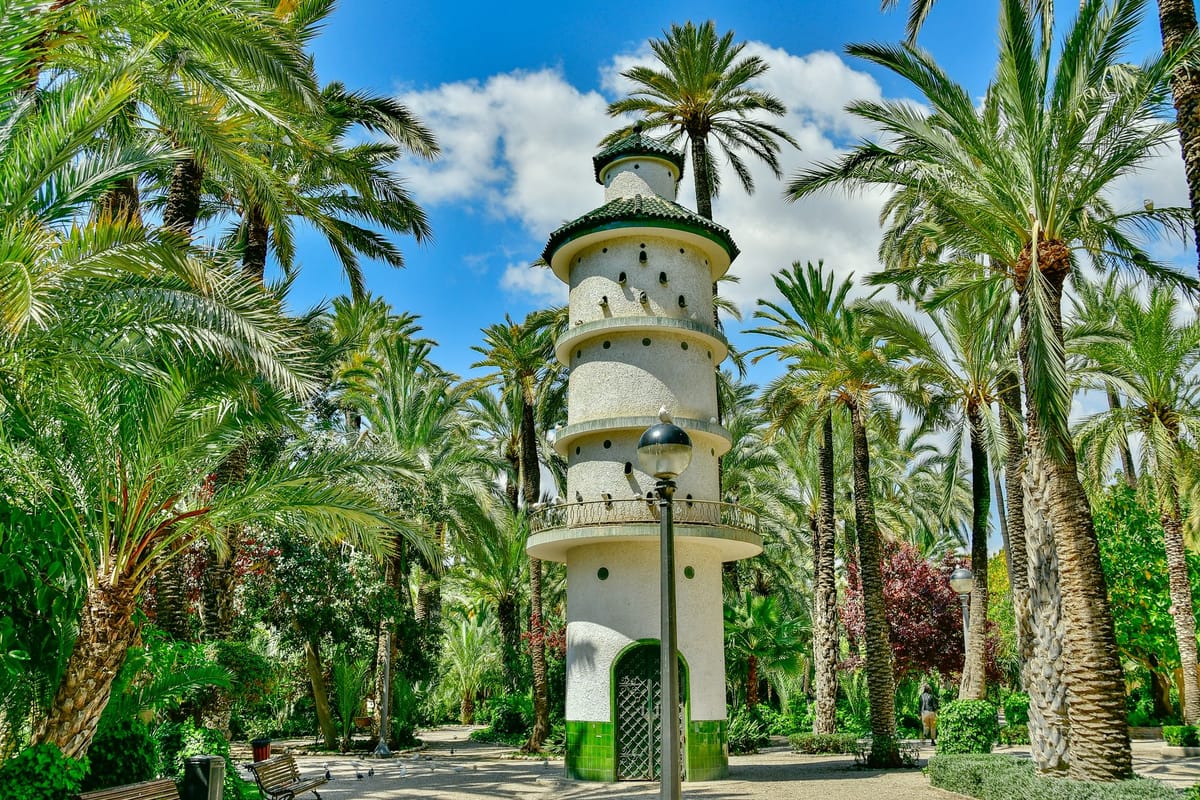
Because the Segura has fed them as much as it has flooded them. In the Vega Baja, the far south of the Alicante province, this river caused some of the worst disasters in Spanish history, in 1879, in 1987 and again in 2019, yet it has also watered the huerta and sustained the region for centuries. It is this mix of dependence and fear, rather than a simple backdrop, that explains why the people of the Vega Baja are so attached to a river they have learned to dread, to repair and to love.
What are the key facts in a nutshell?
The Santa Teresa flood of 15 October 1879 remains the largest known flood of the Segura, with more than 1,000 deaths across the basin, including around 300 in Orihuela. In November 1987, a fresh disaster pushed the State to launch the Plan de Defensa contra Avenidas de la Cuenca del Segura, which channelled the river. In the 1990s the Segura was seen as one of the most polluted rivers in Europe, before being cleaned up and winning the European Riverprize in 2015. In September 2019, the DANA storm devastated the Vega Baja once more. And since the Middle Ages, the Juzgado Privativo de Aguas de Orihuela has settled the huerta's irrigation disputes, just as the Tibi dam has fed the Alicante huerta since 1594.
| Stage | Year | What happens |
|---|---|---|
| Alfonso X privilege, roots of the water court | 1275 | First written document of the Orihuela water court |
| Tibi dam | 1594 | Completion of Europe's oldest large dam still in use |
| Santa Teresa flood | 1879 | More than 1,000 dead across the Segura basin |
| Flood and Plan de Defensa | 1987 | River channelled, capacity raised to 400 m³/s |
| European Riverprize | 2015 | Award for cleaning up the Segura |
| Vega Baja DANA | 2019 | Major flooding, Vega Renhace recovery plan |
Why has the Segura so often drowned the Vega Baja?
Because it is a river of violent floods running through a very low, densely populated plain. The founding disaster remains the Santa Teresa flood of 15 October 1879: according to Wikipedia and the chronicles cross-checked by Alicante Plaza, it killed more than 1,000 people across the basin, including 761 in Murcia and around 300 in Orihuela, with an estimated flow of more than 2,000 cubic metres per second in the city and water that, in some Orihuela streets, rose to 3.80 metres, reaching the first floors.
A century later, in November 1987, another cold-drop storm flooded the whole Vega Baja and pushed the government to declare the area a disaster zone through Royal Decree-Law 4/1987, according to the Confederacion Hidrografica del Segura. Then, in September 2019, the DANA hit even harder: according to Wikipedia and Tiempo.com, up to 521 litres per square metre fell in Orihuela, around 4,000 people were evacuated or cut off, a river wall failed near Almoradi and Algorfa, and the episode caused several deaths in the comarca, notably in Orihuela, Redovan and Dolores.
How has the Segura shaped the identity of the Vega Baja and the Alicante huerta?
By organising, around water, the entire farming life of southern Alicante since the Middle Ages. In the Vega Baja, the sharing of water between irrigators is run by the Juzgado Privativo de Aguas de Orihuela: according to Wikipedia and the court's official site, its first written document is a privilege from King Alfonso X the Wise dated 14 May 1275, which set down customs inherited from Arab times. It has been declared an Intangible Cultural Asset by the Generalitat Valenciana. To understand this irrigated plain and its palm groves, see our guide to the Alicante huerta and the Palmeral of Elche.
Further north, the Alicante huerta depends on another emblematic structure: the Tibi dam. According to LinkAlicante and the Universitat Jaume I, this dam, begun in 1580 under engineer Juan Bautista Antonelli on behalf of Philip II and completed in 1594, is regarded as the oldest large dam in Europe still in operation, standing 46 metres high. It still feeds the Alicante huerta through the Canal de la Huerta, drawing on the waters of the Riu Verd, called the Monnegre downstream.
How was a river turned into an open sewer brought back to life?
Through a long clean-up effort that made the Segura a story of recovery, not only of fear. In the 1990s, few rivers were more polluted in Europe: according to iAgua and Alicante Plaza, the Segura was then described as an "open-air sewer", with smells and nuisances that made life near the river a daily ordeal for thousands of residents. Thanks to a pioneering programme of wastewater treatment and reuse, the river was cleaned up in less than a decade, to the point of winning the European Riverprize in 2015, the sector's main international award, and then being a finalist for the International Riverprize in 2016. Species that had abandoned the watercourse, such as the otter and the eel, have reappeared in it.
What did the Plan de Defensa change after 1987, and what does the debate after the 2019 DANA say?
It turned the Segura's bed into a much wider and straighter channel. According to the Confederacion Hidrografica del Segura, the Plan de Defensa contra Avenidas de la Cuenca del Segura, launched by Royal Decree-Law 4/1987, raised the useful capacity of the bed from around 120 cubic metres per second to 400 cubic metres per second for a 50-year return flood, relying on the construction of 13 new dams (178 hm³) and on removing many meanders that hindered the flow.
The 2019 DANA, which caused more than 1.3 billion euros of losses in the Vega Baja according to published assessments, showed that the risk had not gone away. It led to the Vega Renhace recovery and prevention plan. As with the Turia in Valencia, experts do not fully agree on the best balance between channelling, dams and renaturalisation, and we do not settle that technical debate.
| Place | What you see there | Map |
|---|---|---|
| The Segura in Orihuela | The river at the heart of the Vega Baja | |
| Tibi dam | Europe's oldest large dam still in use (1594) | |
| Palmeral of Elche | The UNESCO-listed irrigated palm grove | |
| Orihuela water court | The Vega Baja water tribunal |
Where can you follow this water story on the Costa Blanca?
Out in the field, between huerta, mountains and rivers. The Vega Baja can be explored on foot or by bike along the cleaned-up Segura, and the Alicante hinterland offers gorges and waterfalls that also tell the story of the province's bond with water. To plan an outing, see our guide to hiking in the region's mountains and waterfalls.
Frequently asked questions about the Segura and the Vega Baja
What is the worst flood in the history of the Vega Baja?
It is the Santa Teresa flood of 15 October 1879, the largest known flood of the Segura, which killed more than 1,000 people across the whole basin, including around 300 in Orihuela, according to cross-checked historical chronicles.
Is the Segura still a dangerous river?
The Plan de Defensa launched after 1987 greatly increased the capacity of the bed, but the 2019 DANA was a reminder that the risk remains in such a low-lying plain. The Vega Renhace plan is designed precisely to strengthen prevention.
Why is the Segura said to have been "brought back to life"?
Because after being one of the most polluted rivers in Europe in the 1990s, it was cleaned up in less than a decade thanks to a treatment plan, to the point of winning the European Riverprize in 2015 and seeing the otter and the eel return.
What is the Tibi dam and why does it matter?
It is a dam completed in 1594 near Alicante, regarded as the oldest large dam in Europe still in use. It has fed the Alicante huerta for centuries through the Canal de la Huerta.
Sources (facts cross-checked and rewritten, never copied): Wikipedia and Alicante Plaza (the 1879 Santa Teresa flood), Confederacion Hidrografica del Segura and Diario Informacion (the 1987 flood and Plan de Defensa contra Avenidas), iAgua and Alicante Plaza (pollution and clean-up of the Segura), RETEMA and the International RiverFoundation (European Riverprize 2015 and International Riverprize 2016), Wikipedia and Tiempo.com (the September 2019 DANA and the Vega Renhace plan), LinkAlicante and the Universitat Jaume I (Tibi dam), the official site of the Juzgado Privativo de Aguas de Orihuela and the Generalitat Valenciana (water court), consulted in July 2026. The key figures (death tolls, flows, bed capacity) were cross-checked across several of these sources.
Information verified in July 2026. Flood-prevention measures and redevelopment plans for the Segura keep changing, and the expert debate on the best balance remains open. This article was prepared with the help of AI, then cross-checked, verified and proofread by our newsroom, which takes editorial responsibility for it.
Le Livre blanc 2026 de l'expat
NIE, empadronamiento, fiscalité, école, logement : tout l'essentiel pour s'installer, réuni dans un guide PDF. Laisse ton e-mail, on te l'envoie.
🎉 Et voilà ! Ton Livre blanc 2026 de l'expat s'ouvre ici :
Ouvrir le Livre blanc 2026Dernière étape pour rejoindre l'aventure : confirme ton inscription dans l'e-mail qu'on vient de t'envoyer.
Réagis à cet article