
Orxata on the Costa Blanca: where to drink it in Alicante province
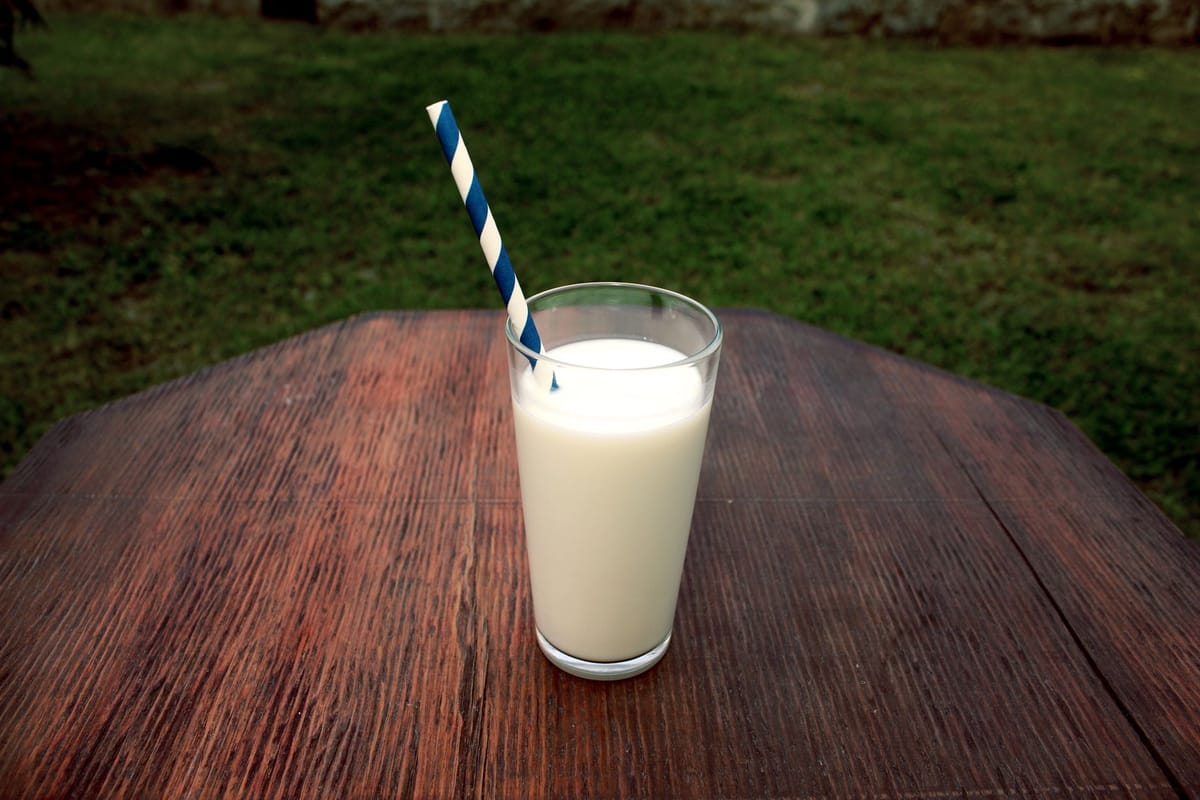
Where can you drink a good orxata on the Costa Blanca? The chufa (tiger nut) that goes into it is still purely Valencian, grown in Alboraya under a protected origin label, but the Alicante area has its own story with the drink: the travelling ice cream makers of Xixona spread it across Spain, and cult spots like Alicante's Horchatería Azul still make it the old way. One thing first: this is not the rice-based horchata you may know from Mexico, it is a tiger nut drink.
What should you know, Alicante side?
The chufa comes from Alboraya, near Valencia, protected by a Denominación de Origen since 1997: the Alicante province does not grow it, but it turned the drink into a summer institution. Alicante's Horchatería Azul has served it by hand since 1930, using tiger nuts from the same Alboraya supplier for three generations, according to Directo al Paladar and El Español. The Alicante link runs mostly through Xixona (Jijona), the cradle of artisan ice cream: every spring around 2,000 families leave the town to run ice cream parlours and horchaterías across Spain, according to CBNoticias and the national association ANHCEA, which is based in Xixona. A local specialty to try: the barrejaet, half orxata, half lemon slush.
| Marker | Detail | Source |
|---|---|---|
| Flagship spot in Alicante | Horchatería Azul, artisan since 1930, chufa from Alboraya | Directo al Paladar, El Español |
| Origin of the chufa | Alboraya (Valencia), protected origin since 1997 | Consejo Regulador, Chufa de Valencia PDO |
| The Alicante link | Xixona ice cream makers, about 2,000 families leave each spring | CBNoticias, ANHCEA |
| Local specialty | Barrejaet: a mix of orxata and lemon slush | El Español |
Where does orxata come from, and why is the chufa still Valencian?
Orxata (horchata in Spanish) is made from chufa, the tiger nut, grown almost only in the market gardens of Alboraya and Almàssera just outside Valencia, under the "Chufa de Valencia" protected origin since 1997, according to the Consejo Regulador and the BOE. It is nicknamed "white gold" because this tiny, fragile crop is tied to Valencian identity. On the Costa Blanca you therefore drink something whose raw material travels down from Valencia, and the best Alicante houses treat that as a mark of quality rather than a drawback.
Not to be confused with the drink many international visitors already know: Mexican horchata is usually rice based and spiced with cinnamon, while Valencian orxata is built on tiger nuts, with no rice. Same name, different drink.
What is the link between Alicante and horchata?
It comes down to one place: Xixona (Jijona), the turrón capital in the Alicante hinterland. Because turrón was historically made only for a few months before Christmas, Xixona families were left without work in spring and summer. Their answer was to head for the coasts and open ice cream shops, using snow stored in the snow wells of the Carrasqueta range to make ice cream and slushies, according to CBNoticias and Made in Jijona. These master makers also sold horchata de chufa and leche merengada, helping spread the drink far beyond Valencia.
The diaspora is still alive: every spring nearly 2,000 families leave Xixona for their businesses scattered across Spain, according to ANHCEA, the national association of artisan ice cream makers, headquartered in Xixona itself. That is why drinking an orxata in Alicante in summer is not an imported habit, it is a local craft, even if the chufa remains Valencian.
Where to drink a good orxata in the Alicante province?
In Alicante city, the reference is Horchatería Azul, a small blue-tiled spot near the Mercado Central, now run by sisters Mari Ángeles and Inma Sorribes, the third generation of a house founded by their grandmother, Alejandrina Candela, who came from Monnegre near Xixona, according to Directo al Paladar. They make horchata like their father did: Alboraya chufa washed by hand, a salt bath to float out the bad tubers, then hand-straining with the old family mill, according to El Español. The place only opens from May to September and also serves almond, hazelnut, yogurt and barley slushies, plus its famous ice-cream-filled bun, nicknamed "the summer burger".
| Place | Since | Where | What stands out |
|---|---|---|---|
| Horchatería Azul | 1930 | Calle Calderón de la Barca 38, Alicante | Artisan tiger nut horchata, third generation |
| The Xixona ice cream makers | Centuries-old | Xixona (Alicante hinterland) | Cradle of Spain's travelling ice cream and horchata makers |
The barrejaet: Alicante's battle between horchata and lemon slush
On the Costa Blanca, the great summer rivalry sets orxata against lemon granizado, as El Español tells it through the Horchatería Azul. The lemons come from Orxeta, a village in the Marina Baixa where a grower raises them without sulphates, on mountain water, for a prized raw material. Many locals refuse to choose and order a barrejaet, half orxata and half lemon slush, served ice cold. Just drink it quickly, the houses warn, because the horchata can curdle if the mix sits too long. It pairs with the fartón, the long glazed bun born in Alboraya in the 1960s, airy enough to soak up the drink without falling apart. For more on the local heat and how residents cope with it, see our guide to the abanico, the Costa Blanca's summer survival tool.
Is orxata good for you?
In moderation, yes. It is naturally lactose free, gluten free, soy free and nut free, a popular option for people who cannot drink milk, according to Horchata Chufi and Naturhouse. Chufa is rich in fibre, potassium, phosphorus, magnesium and vitamins E and C, and its fats are mostly monounsaturated, close to those of olive oil, according to Runfit. A glass provides about 60 to 70 kcal per 100 ml, though the commercial version is often sweetened, so enjoy it in moderation, especially during Costa Blanca heatwaves.
Frequently asked questions about orxata on the Costa Blanca
Where can I drink artisan orxata in Alicante?
Horchatería Azul, on Calle Calderón de la Barca near the Mercado Central, has made it by hand since 1930 with Alboraya chufa. It only opens in season, from May to September.
What is a barrejaet?
It is a typically Alicante mix of orxata and lemon slush, served very cold. Drink it quickly, because the horchata can curdle if the mix stands too long.
Does chufa grow on the Costa Blanca?
No. The protected chufa is grown around Alboraya, near Valencia. The Alicante province does not produce it, but it has a long tradition of ice cream and horchata makers born in Xixona.
Why is Xixona linked to horchata?
Xixona families, from the turrón capital, used to head for the coasts each spring to open ice cream shops, selling ice cream, slushies and horchata de chufa. That still-living diaspora spread the drink well beyond Valencia.
Sources (facts cross-checked and rewritten, never copied): Directo al Paladar (Horchatería Azul, August 2025) and El Español Alicante edition (July 2021) for the address and artisan method, CBNoticias and Made in Jijona for the Xixona ice cream tradition, ANHCEA (national association of artisan ice cream makers, based in Xixona), Chufa de Valencia PDO (Consejo Regulador) and BOE for the origin, España Fascinante, Runfit, Horchata Chufi, Naturhouse, consulted in July 2026.
Information verified in July 2026. Prices, addresses and hours can change, and Horchatería Azul only opens in season: check directly before you go. This article was prepared with the help of AI, then cross-checked, verified and edited by our newsroom, which takes editorial responsibility for it.
Le Livre blanc 2026 de l'expat
NIE, empadronamiento, fiscalité, école, logement : tout l'essentiel pour s'installer, réuni dans un guide PDF. Laisse ton e-mail, on te l'envoie.
🎉 Et voilà ! Ton Livre blanc 2026 de l'expat s'ouvre ici :
Ouvrir le Livre blanc 2026Dernière étape pour rejoindre l'aventure : confirme ton inscription dans l'e-mail qu'on vient de t'envoyer.
Réagis à cet article