
The abanico on the Costa Blanca: why the Spanish hand fan is a real summer survival tool?
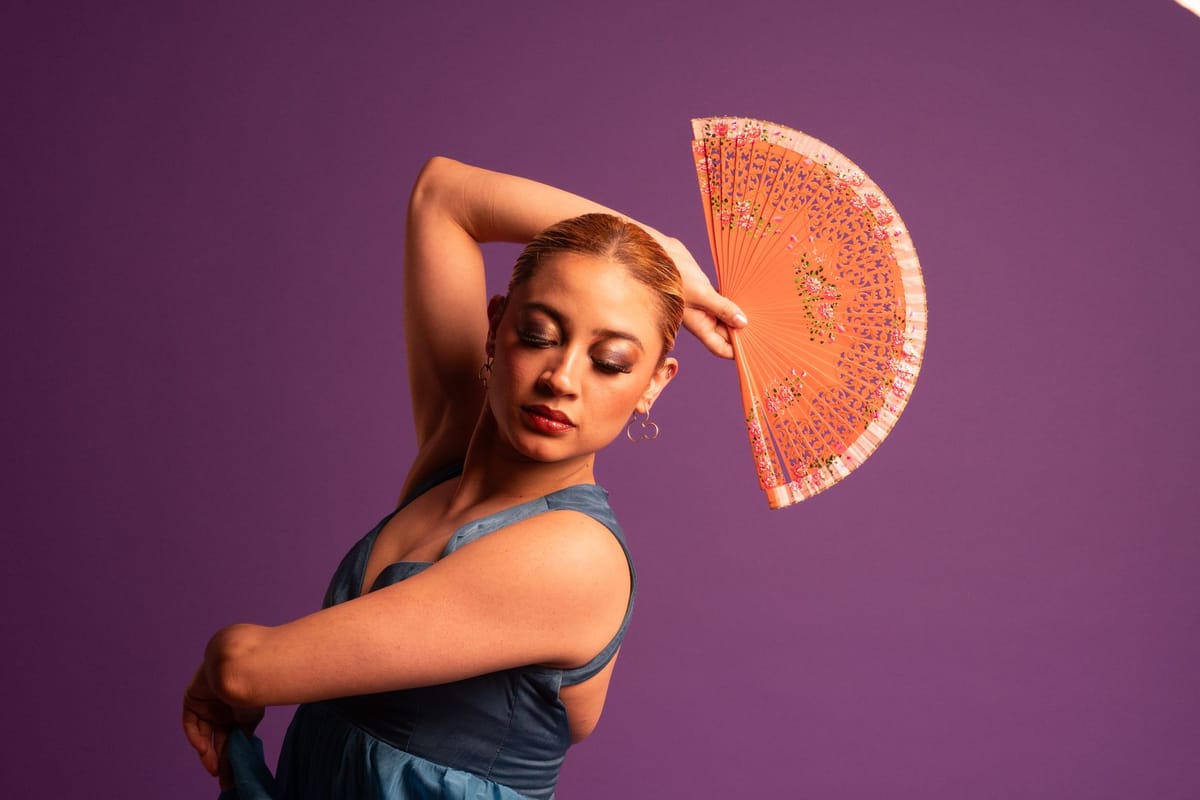
Yes, the abanico (the Spanish folding hand fan) is a genuine summer survival tool on the Costa Blanca, not just a granny's accessory: with Spain's weather agency Aemet holding an orange heat alert along the whole Alicante coast on 7 July 2026 and highs above 40°C across the province, according to TodoAlicante, fanning yourself by hand is still one of the simplest ways to cut the felt temperature, anywhere and with no electricity.
The short version: what should you remember?
On 7 July 2026, Aemet kept an orange alert along the entire Alicante coast and a yellow warning inland, with the heatwave set to last at least another 48 hours, according to TodoAlicante. The province had already recorded 40.6°C in Pego and l'Orxa, 40.2°C in Ràfol d'Almúnia and Gaianes, and 40.1°C in Orihuela, according to Alicantextra. The most stifling comarcas are the Alto and Medio Vinalopó, El Comtat, inland Marina Alta and the Vega Baja. Across the Comunitat Valenciana, the regional health department (Conselleria de Sanidad) rates 25 comarcas at high health risk, under a programme running until 30 September 2026. On the craft side, Spain is one of the last places in Europe still making hand fans by hand, with a historic heartland in Aldaia, near Valencia.
| Marker | Figure | Source |
|---|---|---|
| Aemet alert (Alicante coast) | Orange on the coast, yellow inland | TodoAlicante, 7 July 2026 |
| Temperatures recorded | 40.6°C in Pego and l'Orxa, 40.1°C in Orihuela | Alicantextra, July 2026 |
| Comarcas most affected | Vinalopó, El Comtat, Marina Alta, Vega Baja | Alicantextra, July 2026 |
| Heat-prevention programme (Comunitat) | 25 comarcas at risk, active until 30 September 2026 | Conselleria de Sanidad, san.gva.es |
Where does the abanico come from, and why is the Comunitat its cradle?
The folding fan we know today comes from Asia (China and Japan) and is thought to have reached Europe in the 12th century via the Crusades, or in the 15th century through Jesuit missionaries, according to España Fascinante. It took hold in Spain in the 16th century, first in Andalusia because of the climate, then spread across all social classes in the 17th century.
The Comunitat Valenciana played a major industrial role: a Royal Fan Factory (Real Fábrica de Abanicos) was founded in Valencia in 1802, and the town of Aldaia, next to Valencia, remains the historic heartland of fan-making, to the point of housing a Museo del Abanico. Houses such as Abanicos José Blay, in Aldaia for more than 70 years, still live off that tradition, and their fans reach the shops of the Costa Blanca, according to the company.
Why is the abanico a survival tool again in a Costa Blanca summer?
Because heatwaves are multiplying and fanning yourself remains a free, immediate move against heat stress. On 7 July 2026, Aemet held an orange alert along the Alicante coast and a yellow warning inland, with highs above 40°C in several comarcas, according to TodoAlicante. Areas with heavy forest cover (Marina Alta, Marina Baixa, l'Alcoià, El Comtat, Alto Vinalopó) are also being watched for wildfire risk.
The regional government's official advice during an alert: avoid going out or doing intense exercise between 12pm and 4pm, wear light, loose clothing, stay cool and in the shade, drink water regularly even without feeling thirsty, avoid alcohol and very caffeinated drinks, and call 112 if you notice heatstroke symptoms (loss of consciousness, high fever, confusion, breathing difficulties). The fan replaces none of this, but it adds to the reflex of cooling yourself on the beach, on a terrace or on the TRAM.
Where can you buy an artisan abanico on the Costa Blanca, and at what price?
In Alicante, the go-to is Nuevo Bazar Madrid, a traditional shop in the Benalúa district that has sold and personalised fans for more than 60 years, and can add a first name or the motifs of a regional costume, according to the shop. The most artisanal pieces often come from the historic heartland of Aldaia and from houses such as Abanicos José Blay (over 70 years) or Abanicos Carbonell, which claims more than 200 years of family history and bills itself as the oldest fan workshop still active, according to its website.
On price, tariffs vary widely by size and finish: you can find second-hand fans from 12 euros, a ceremony model with lace at around 95 euros, and high-end custom pieces up to 400 euros, according to the specialist shops consulted.
| Address | Since | Where | What makes it special |
|---|---|---|---|
| Nuevo Bazar Madrid | 60+ years | Benalúa, Alicante | Sold and personalised in Alicante |
| Museo del Abanico, Aldaia | Historic heartland | Aldaia (near Valencia) | Cradle of Spanish fan-making |
| Abanicos Carbonell | 200+ years | Comunitat Valenciana | Oldest workshop still active |
The "language of the fan": romantic legend or real code?
Historians do not fully settle the question: the language of the fan did exist as a social practice, but how systematic it was remains debated, somewhere between a genuine code and later romanticisation, according to specialist sources including Curiosfera Historia. The code is said to have peaked in 18th-century Europe, then carried on into 19th-century Victorian society, where women used it to communicate discreetly at a ball.
A few examples cited by these sources: fanning slowly could signal indifference, a closed fan resting on the chest suggested modesty, an open fan waved quickly expressed impatience. These meanings varied by era and region, which feeds historians' doubts about how codified they really were.
How do you use and care for your abanico?
The basic move is simple: a wide, steady flick of the wrist cools you more than fast, jerky flapping, which tires your arm without added benefit. For care, a wood-and-paper or hand-painted silk fan dislikes excess humidity and forced creases: close it along the natural fold and keep it out of direct sun on a terrace table, or the motifs may fade.
Frequently asked questions about the abanico on the Costa Blanca
Is the abanico really effective against the heat?
It does not lower the ambient temperature, but it speeds up the evaporation of sweat on your skin, giving an immediate feeling of coolness. It is a free move to combine with the official advice: hydration, shade and avoiding the hottest hours, between 12pm and 4pm.
Where can you buy an abanico in Alicante?
Nuevo Bazar Madrid, in the Benalúa district of Alicante, has sold and personalised fans for over 60 years. The most artisanal pieces often come from Aldaia, the historic heartland, and from houses such as Abanicos José Blay or Abanicos Carbonell.
How much does an artisan abanico cost?
Prices run from about 12 euros for a second-hand piece to 400 euros for a high-end custom model, with many ceremony models around 95 euros, according to the specialist shops.
What should you do in case of heatstroke on the Costa Blanca?
The Conselleria de Sanidad advises calling 112 immediately for loss of consciousness, high fever, confusion or breathing difficulties. While waiting for help, move the person into the shade, hydrate them if conscious, and cool them down.
Sources (facts cross-checked and rewritten, never copied): TodoAlicante and Alicantextra (Aemet alert and temperatures in Alicante province, 7 July 2026), Aemet (official), Conselleria de Sanidad (heatwave-prevention programme, san.gva.es), España Fascinante, Abanicos José Blay, Abanicos Carbonell, Curiosfera Historia, consulted in July 2026. The key figures (alert level, temperatures recorded, founding dates of the fan houses) were verified against these sources.
Information verified in July 2026. Weather alerts and health advice change constantly: check the day's alert on Aemet and the Conselleria de Sanidad guidance before going out in the heat. This article was prepared with the help of AI, then cross-checked, verified and edited by our newsroom, which takes editorial responsibility for it.
Le Livre blanc 2026 de l'expat
NIE, empadronamiento, fiscalité, école, logement : tout l'essentiel pour s'installer, réuni dans un guide PDF. Laisse ton e-mail, on te l'envoie.
🎉 Et voilà ! Ton Livre blanc 2026 de l'expat s'ouvre ici :
Ouvrir le Livre blanc 2026Dernière étape pour rejoindre l'aventure : confirme ton inscription dans l'e-mail qu'on vient de t'envoyer.
Réagis à cet article