
SOS, I've had an accident on the Costa Blanca: the guide to the right moves
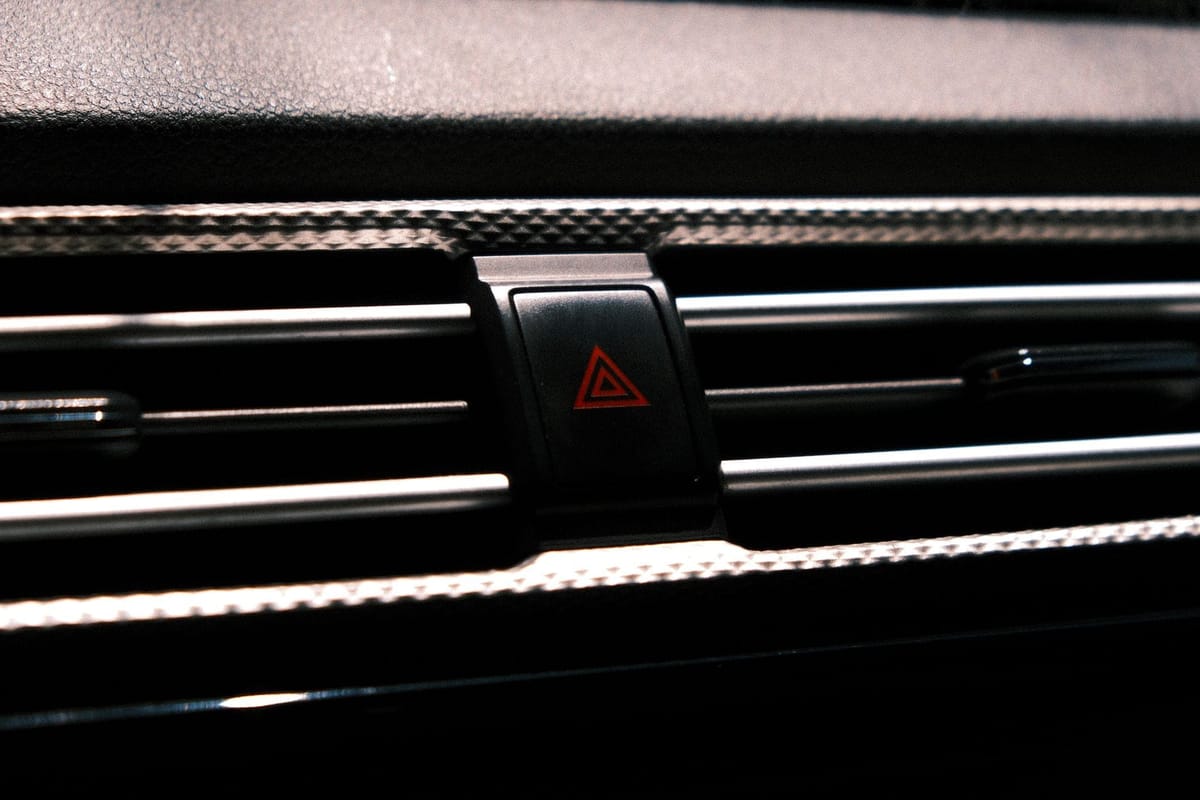
A bump in the car, a fall at home, a small mishap that turns nasty on holiday: it happens, and when you are far from home you do not always know what to do or who to call. Keep this page to hand. The first move, whatever the problem, is 112: one number, free, multilingual, which brings together police, fire and medical emergencies.
The very first moves
- Get yourself to safety and secure the scene. Put on your reflective vest before getting out of the car.
- If someone is hurt or there is danger, call 112 immediately.
- Since 1 January 2026, warning triangles are no longer valid on the road: the connected V16 beacon replaces them, the only legal device to flag a stopped vehicle. You place it on the roof, it flashes 360 degrees and automatically reports your position to the DGT. Not having one can cost a fine (around 80 euros).
- Breathe, and do not move an injured person unless there is imminent danger.
Car accident, no injuries
If nobody is hurt and the circumstances are clear:
- Fill in the accident report form (the parte amistoso, often in the European format). Each party signs.
- Exchange information: name, address, phone, insurance policy number and company, and the vehicle details (number plates).
- Take photos of the damage, the position of the vehicles and the plates.
- Tell your insurer within 7 days at most (this is a legal obligation, even though the joint report itself is not compulsory).
Call the police if you disagree about liability, if there are injuries, if the other driver has no insurance, drives off or seems to have been drinking: the Local Police (092) in town, the Guardia Civil (062) on the roads, or 112. They will draw up an atestado, an official report useful for the insurer. For everything else about the car (licence, registration, insurance), see our guide to driving on the Costa Blanca.
Car accident, with injuries
People come first:
- Call 112 (or 061 for medical emergencies). Give the exact location and the number of injured.
- Do not move an injured person unless there is immediate danger (fire, traffic).
- Let the police draw up their atestado.
- Get yourself checked, even if you feel fine, and always collect the medical report (parte médico). Without it, it is hard to be compensated later. Compensation follows an official scale.
Towing and assessing your car
Once the car is out of action, two questions arise: how to move it, and who assesses the damage.
- Towing (the grúa): if your insurance includes roadside assistance, you call it and it sends a tow truck, often free up to a certain distance. Otherwise, you use a private grúa. Generally, you choose the destination garage (taller).
- The assessment (the peritaje): your insurer sends a perito, an expert who assesses the damage and decides on repair or, if the cost exceeds the car's value, on a siniestro total (a write-off).
Worth knowing, especially if you have just arrived: you can have your car assessed and repaired in Spain even if it is registered abroad (in the UK, Ireland, France and so on). You take it to a local garage, the perito comes, and the case is settled here (with your foreign insurer, where relevant, through its correspondent in Spain).
And if you disagree with the assessment? Spanish law (article 38 of the Insurance Contract Act) lets you appoint your own perito. If the two experts do not agree, a third is named and the cost is shared. As a last resort, you can turn to the Defensor del Asegurado or the courts.
An accident at home
A fall, a cut, a burn, swallowing a product: 112 and 061 answer for that too. In the event of poisoning (a household product, medicine, a plant), there is a national toxicology line open 24 hours a day: +34 91 562 04 20. Keep it in mind if you have children.
Getting treated: tourist or resident
Access to care depends on your situation:
- EU tourist: travel with your European Health Insurance Card (EHIC). It gives you access to public care like a local. UK visitors use the GHIC, which works the same way for tourists (but not for residents: a GHIC does not replace resident cover). Without a card, your travel insurance takes over.
- Non-EU tourist (for example from the US): travel insurance is strongly advised. A hospital will treat you in an emergency anyway, but you may be billed.
- Resident: show your SIP card (the Comunitat Valenciana health card, valid throughout the province of Alicante) and ID at A&E. For any question, the health information line is 012.
In every case, a life-threatening emergency is treated, card or no card. Always carry ID and your card (EHIC/GHIC, insurance or SIP).
The numbers to keep
- 112: emergencies, all services, multilingual.
- 061: medical emergencies, ambulance.
- 092: Local Police (in town). 062: Guardia Civil (roads). 091: National Police.
- +34 91 562 04 20: toxicology, 24 hours a day.
- 012: health information, Comunitat Valenciana.
You can also find these numbers at any time in the Emergencies & useful numbers button at the top of the site.
The quick memo: someone hurt or in danger means 112. In the car: vest and V16 beacon (compulsory since 2026), accident report form, photos, a claim to your insurer within 7 days, and the police (092 in town, 062 on the road) if there is a dispute or injuries. An accident at home: 112, and toxicology on +34 91 562 04 20. Care: the EHIC (or GHIC for UK visitors) for EU tourists, travel insurance otherwise, the SIP card for residents.
Sources
- DGT: the V16 pre-signalling device
- The accident report form (parte amistoso) and the 7-day deadline
- Conselleria de Sanitat: the SIP health card
- Social Security: healthcare cover (European card)
Frequently asked questions
What is the emergency number on the Costa Blanca?
112: one number, free and multilingual, which brings together police, fire and medical emergencies across Spain. For a medical emergency, 061 also answers.
What do I do after a minor bump with no injuries?
Reflective vest, V16 beacon on the roof (it replaces the triangles, compulsory since 1 January 2026), accident report form, photos, and a claim to your insurer within 7 days. If you disagree, call the Local Police (092) in town or the Guardia Civil (062) on the road.
Will a tourist be treated in Spain?
Yes, any life-threatening emergency is treated. With the EHIC (or the GHIC for UK visitors), an EU tourist accesses public care like a local; from outside the EU, travel insurance is strongly advised. Residents show their SIP card.
Information verified in July 2026. In a life-threatening emergency, always call 112 without delay. This is an informative article and does not replace professional advice. The Daily Costa Blanca is an AI-assisted publication with human review. Spotted a mistake? Write to hello@thedailycostablanca.com or visit thedailycostablanca.com.
Le Livre blanc 2026 de l'expat
NIE, empadronamiento, fiscalité, école, logement : tout l'essentiel pour s'installer, réuni dans un guide PDF. Laisse ton e-mail, on te l'envoie.
🎉 Et voilà ! Ton Livre blanc 2026 de l'expat s'ouvre ici :
Ouvrir le Livre blanc 2026Dernière étape pour rejoindre l'aventure : confirme ton inscription dans l'e-mail qu'on vient de t'envoyer.
Réagis à cet article