
What should you wear as a guest at a Costa Blanca wedding?
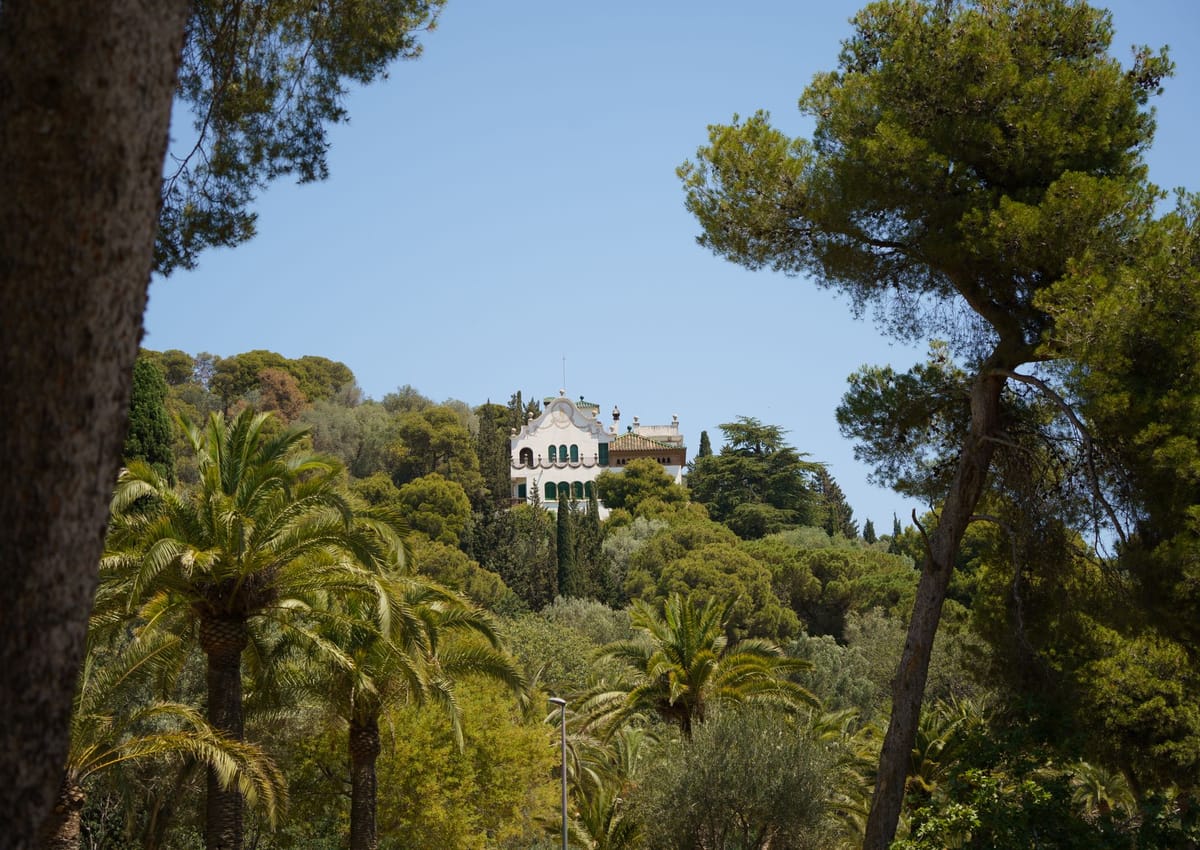
In short: a Costa Blanca boda follows the same wedding-guest rules as the rest of Spain (white belongs to the bride, black only in the evening, dress length set by the time of day), but one thing changes everything here: weddings happen outdoors. A villa perched above Altea, a finca among the orange groves, a seafront restaurant in Denia or Javea. So you are dressing less for a hushed reception room than for sand, grass, wind and heat. Here is how to dress as a guest at a wedding between Denia and Alicante.
Which colours can you wear as a guest at a Costa Blanca wedding?
The base rule is national and does not move: white, ivory and ecru belong to the bride, full stop. Beyond that, the Mediterranean light and the outdoor setting are unforgiving of missteps, so it helps to know the shades that jar.
| Colour | What to know |
|---|---|
| White, ivory, ecru, very pale champagne | Reserved for the bride: mistake number one, even more visible in full sun on a finca lawn. |
| Black in daytime | Associated with mourning at a daytime ceremony. Fine in the evening, when the party turns into a boda de noche. |
| Red | Seen as a way of upstaging the bride. |
| Neon (fuchsia, neon green) | Too loud, and the seaside glare amplifies everything. |
| The bridesmaids' colour | Ask beforehand: you do not want to blend into the wedding party. |
Why are so many weddings held in a villa, finca or by the sea here?
Because the Costa Blanca lends itself to it and a real network of wedding professionals works here day in, day out. Along the Denia, Javea, Moraira, Altea and Calpe strip, several named planners run one celebration after another in private villas, fincas or seafront restaurants: Costa Blanca Events (based in Altea, specialising in beach weddings), Amor Loco (fincas and private villas, including Casa Santonja, Casa Benigalip and Finca El Torrero), Maria Monllor (destination weddings in Javea, Denia, Altea and Alicante) and LyndyLooInSpain (private fincas). For a guest, that means one simple thing: you are almost never dressing for a cool church, but for a sunny outdoor setting.
There is a legal reason too, and it explains a lot. In Spain, a legally binding civil marriage requires at least one of the two partners to be Spanish or resident for at least two years (a point corroborated by several independent legal sources). The practical result: many foreign couples hold a symbolic or humanist ceremony here (with no legal value) in a dream setting, then marry officially in their home country before or after. The spectacular backdrop therefore often has nothing to do with the Spanish civil register, which widens the range of venues further: gardens, terraces, wine estates. Note too that a "beach wedding" never legally takes place literally on the sand as an official event, since the law requires a licensed venue (bar, restaurant, hall) overlooking the beach.
Morning, tarde or noche: what does it change for your outfit?
This is the Spanish reflex newcomers forget: the outfit is set by the time of the ceremony, not by your morning mood. And on the Costa Blanca in summer, ceremonies often start later to dodge the peak heat, which shifts everything towards the tarde (late afternoon) and the noche.
| Time | Dress | Outdoors, remember |
|---|---|---|
| Morning / daytime | Short to mid-length | Low, stable heels, a wide-brimmed hat for the sun, breathable fabric, understated make-up that holds up in the heat |
| Late afternoon (tarde) | Long possible, without tipping into evening gown; a jumpsuit or smart trousers are fine | A light wrap for the sea breeze that picks up, shoes suited to grass or gravel |
| Night (boda de noche) | Long, higher heels, more elaborate make-up | Black and metallics welcome, but keep the terrain (paths, jetties, terraces) in mind when choosing the heel |
Which shoes and which habits for an outdoor wedding?
This is where the Costa Blanca really changes things compared with an indoor wedding. The classic thin stiletto is enemy number one: it sinks into sand, wedges between finca flagstones and leaves you walking on eggshells across a lawn. Here are the habits that save an evening.
- Forget the thin stiletto. Go for a block heel, a wedge or a smart sandal with a stable sole that sinks into neither sand nor grass.
- Think heat. Light, breathable fabrics and a cut that lets air through: an outdoor ceremony in high summer is nothing like an air-conditioned hall.
- Plan for wind. The seaside breeze lifts floaty skirts and undoes hair: a slightly structured cut and a wrap prove precious.
- A wide-brimmed hat becomes almost essential for an outdoor afternoon ceremony: it genuinely protects from the sun and is a perfectly ordinary daytime accessory.
- Pack a flat backup pair in your bag for the party once the ceremony is over.
Pamela or mantilla: what should you wear on your head?
The two are often confused, wrongly. The pamela is a wide-brimmed hat with a sun-shading function: it is worn by day, outdoors, roughly until 6pm and mostly from March to October. On the Costa Blanca, a land of open-air ceremonies, it is a perfectly ordinary guest accessory, and even welcome in the afternoon. In the evening, with no sun to filter, you put it away.
The mantilla (a lace veil over a peineta comb) is something else entirely. It is not an accessory for the average guest: it is traditionally reserved for the madrina (the groom's mother or the godmother) and only at a religious ceremony. If you do not have that ceremonial role, it is not for you: turning up in a mantilla as an ordinary guest is a faux pas, not a charming nod.
Where can you complete a guest outfit on the Costa Blanca?
The region is known for its shoes: the industry in and around Elche concentrates recognised expertise, handy when you want a pair that is both dressy and built to stand up on grass or sand. Our guide covers the shoe brands of the Costa Blanca and Elche. And if the wedding stretches over a weekend around an estate or a villa, it helps to know where to stay: see our selection of luxury hotels and premium spas on the Costa Blanca. To fill the rest of the trip between festivities, take a look at the best day trips from the Costa Blanca.
Frequently asked questions about Costa Blanca wedding dress codes
Why are so many weddings held in a villa or finca here?
Because the Costa Blanca is a land of outdoor weddings, with genuinely specialised planners (Costa Blanca Events, Amor Loco, Maria Monllor, LyndyLooInSpain), and because of a legal rule: in Spain a legal civil marriage requires one partner to be Spanish or resident for at least two years. Many foreign couples therefore hold a symbolic ceremony in a dream setting (villa, finca, seafront) and marry legally in their home country. Hence the abundance of open-air celebrations with no link to the Spanish civil register.
Can you really get married on the beach sand?
Not in the legal sense: a beach wedding never takes place literally on the sand as an official event. Spanish law requires a licensed venue (bar, restaurant, hall) overlooking the beach. For your outfit it changes little: you are still outdoors, exposed to sun, wind and sand, so stable shoes and light fabrics.
Is a pamela compulsory on the Costa Blanca?
Never compulsory, but close to essential for an outdoor afternoon ceremony, because it shades you so well. It is a daytime accessory (roughly March to October, until late afternoon). In the evening, you do not wear it.
Which shoes should you avoid for an open-air boda?
The thin stiletto, which sinks into sand and wedges in grass or between finca flagstones. Prefer a block heel, a wedge or a smart sandal with a stable sole, and slip a flat pair into your bag for the party.
Sources: Costa Blanca Events, Amor Loco, Maria Monllor and LyndyLooInSpain (wedding planners and venues in the Denia, Javea, Moraira, Altea, Calpe area); independent Spanish legal sources (nationality or two-year residence condition for a legal civil marriage, licensed-venue requirement for a "beach wedding"); Hola.com, bodas.net and InOutModa (dress code by time of day, colours, pamela and mantilla); alicanteturismo.com and cope.es, 2026 (tourism context: record hotel occupancy in Alicante in 2025, around 80 percent on average). Addresses and hours liable to change: check before travelling.
Information verified in August 2026. The Daily Costa Blanca is an AI-assisted publication with human review.
Le Livre blanc 2026 de l'expat
NIE, empadronamiento, fiscalité, école, logement : tout l'essentiel pour s'installer, réuni dans un guide PDF. Laisse ton e-mail, on te l'envoie.
🎉 Et voilà ! Ton Livre blanc 2026 de l'expat s'ouvre ici :
Ouvrir le Livre blanc 2026Dernière étape pour rejoindre l'aventure : confirme ton inscription dans l'e-mail qu'on vient de t'envoyer.
Réagis à cet article