
Do you need a visa to move to Spain? A guide for non-EU newcomers
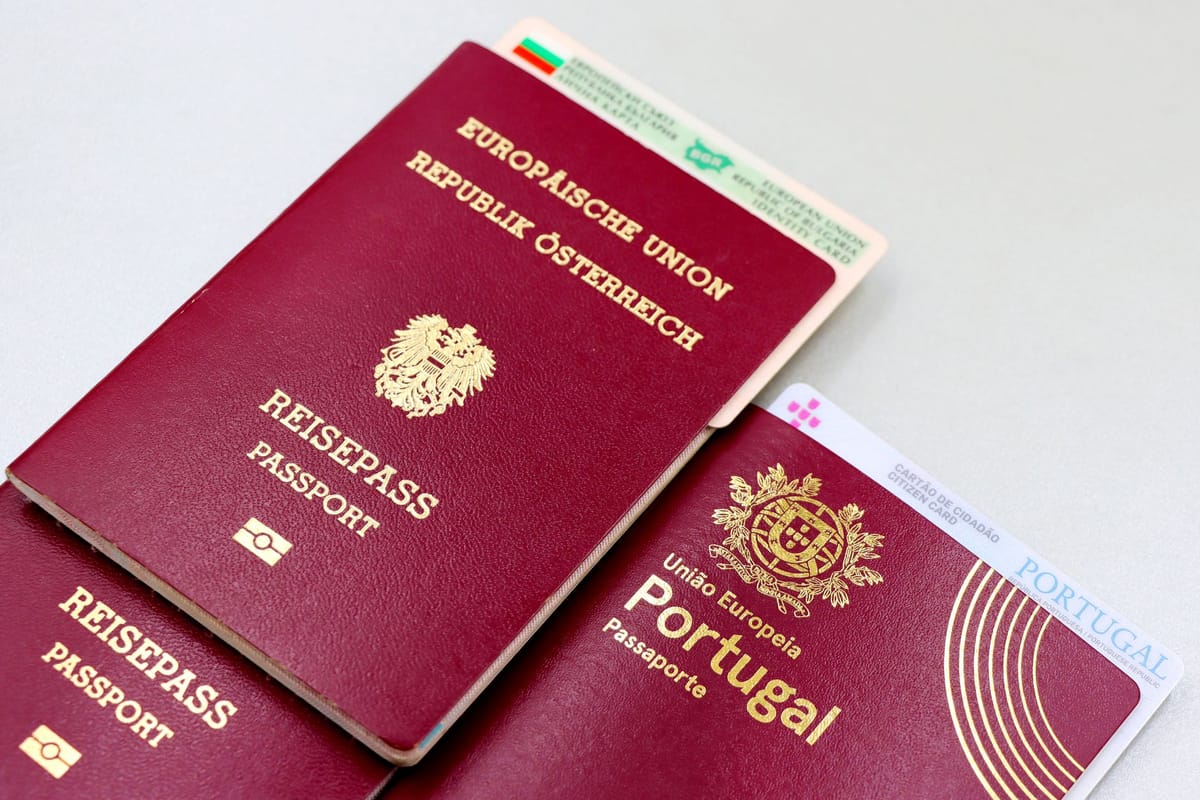
It depends on your passport. If you are Irish (or hold any other EU/EEA/Swiss passport), you need no visa at all to live in Spain - you have freedom of movement, and your only real obligation is to register as a resident after three months. If you are British, American, Canadian, Australian or otherwise non-EU, the answer is yes: since Brexit, Britons are third-country nationals like everyone else outside the EU, and you must arrange the right visa before you move.
Two very different starting points
This is the single biggest thing to get right, because most advice you will read (especially anything written for French or German newcomers) assumes you are an EU citizen. You may not be.
- EU / EEA / Swiss citizens (incl. Ireland): no visa. Enter with a valid passport or ID card, look for housing and work freely, and after three months register for the EU citizen's green certificate (which carries your NIE).
- Non-EU citizens (incl. the UK post-Brexit, and the USA): you can visit for up to 90 days in any 180 under the Schengen rule, but to live here you need a residence visa obtained from a Spanish consulate in your home country, then a TIE card once you arrive.
Which visa? The main non-EU routes
There is no single "move to Spain" visa. You pick the route that matches how you will support yourself:
- Non-Lucrative Visa (NLV) - for people who can live on passive income (pensions, savings, rental or investment income) and will not work in Spain. You must show around €2,400/month (400% of the IPREM), plus about €600/month per dependent, and full private health insurance. Remote or freelance earnings do not count for this visa.
- Digital Nomad Visa (DNV) - for remote workers and freelancers employed by (or billing) companies outside Spain. You show roughly €2,850/month (about 200% of the Spanish minimum wage). No more than 20% of your income may come from Spanish clients. This is the route most remote-working Britons and Americans use, and it can be paired with the tax-friendly Beckham Law.
- Work visa - if a Spanish employer sponsors you with a job offer and work authorisation. Highly-qualified roles may use the EU Blue Card or Startup Law fast-track.
- Golden Visa (investment) - gone. Spain abolished the residency-by-investment scheme; new applications have not been accepted since 3 April 2025. If a blog still recommends it, that blog is out of date.
After you arrive: NIE, padrón and the TIE
Whatever your nationality, three things apply to everyone: the NIE (your Spanish tax/ID number), the empadronamiento (registering your address at the town hall), and residence itself. The difference is the final document:
- Non-EU: after your visa, you apply within about 30 days for the TIE (Tarjeta de Identidad de Extranjero) - a biometric plastic card with your photo, fingerprints and permit type.
- EU (incl. Irish): you get the green registration certificate instead - a paper document, no photo, that you carry with your passport.
Bringing a partner or children
If you are an EU citizen, non-EU family members apply for the more favourable tarjeta de familiar de comunitario (family member of an EU citizen). If you are yourself non-EU, your family typically joins you through family reunification tied to your own permit, or applies for their own visa. Rules depend on marriage/partnership status and each person's nationality, so confirm your exact case with the consulate.
Want every step in one place? Download our free Costa Blanca Expat White Paper - all the procedures, up to date - by leaving your email in the form just below. We send it straight away.
Pitfalls to avoid
- Assuming "EU rules" apply to you. Post-Brexit, Britons are non-EU. Guides written for French or German expats will send you down the wrong path.
- Trying to "convert" a tourist stay into residence from inside Spain. Most residence visas must be applied for at a consulate before you move.
- Overstaying 90 days. The Schengen 90/180 rule is enforced; overstaying can jeopardise a future visa.
- Chasing the Golden Visa. It no longer exists.
Sources
- Ministerio de Asuntos Exteriores - Spanish consulate visa pages (NLV, Digital Nomad Visa)
- Organic Law 1/2025 (BOE, 3 Jan 2025) - abolition of the Golden Visa
- Policía Nacional / administracion.gob.es - TIE and EU registration certificate
Information verified in July 2026. Procedures, taxes and thresholds change fast: before you act, always check the official source (links above). The Daily Costa Blanca is an AI-assisted publication with human review. Spotted a mistake? Drop us a line and we'll fix it. How we work.
Le Livre blanc 2026 de l'expat
NIE, empadronamiento, fiscalité, école, logement : tout l'essentiel pour s'installer, réuni dans un guide PDF. Laisse ton e-mail, on te l'envoie.
🎉 Et voilà ! Ton Livre blanc 2026 de l'expat s'ouvre ici :
Ouvrir le Livre blanc 2026Dernière étape pour rejoindre l'aventure : confirme ton inscription dans l'e-mail qu'on vient de t'envoyer.
Réagis à cet article