
Tap water in Valencia: is it safe, why it tastes of limescale, and what it does to your skin
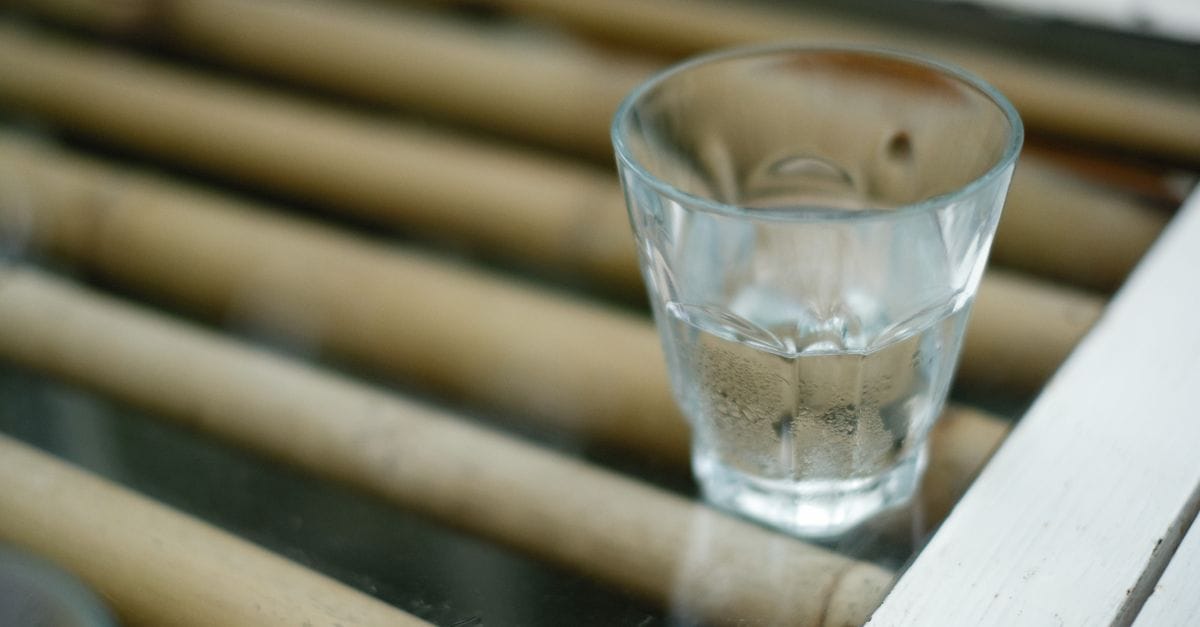
Yes, Valencia's tap water is safe to drink. You have probably noticed two things since arriving: the tap water has a pronounced taste, and white marks build up quickly on the taps, the kettle and your glasses. So almost every newcomer asks the same question - can you drink it, and is it bad for your health or your skin? Here are the facts.
First: is it drinkable? Yes.
Valencia's tap water is potable and closely monitored. It is treated and distributed by EMIVASA, part of the Global Omnium group, and must meet strict health standards: chlorine, nitrates and heavy metals all stay within regulatory limits. In other words, drinking it carries no health risk.
Why the taste and the limescale?
The answer comes down to two words: very hard water. Much of Valencia's water comes from the River Júcar, which crosses the limestone plateaus of La Mancha before reaching the coast. Along the way it picks up minerals, above all calcium and magnesium.
In practice its hardness sits at around 275 mg of calcium carbonate per litre (about 27 "French degrees"), which puts it firmly among "very hard" waters, and among the hardest in Western Europe. On top of that comes the chlorine used for disinfection, which marks the taste and smell. The result even varies by neighbourhood: more pronounced around Campanar or Torrefiel, more discreet near treatment plants such as Quatre Carreres or Benimaclet.
So this is not a quality defect but a local mineral signature. Tellingly, only a minority of people in Valencia drink water straight from the tap: many filter it or switch to bottled water, mostly for taste.
On health: nothing alarming
Good news: drinking hard water is not bad for you. The calcium and magnesium it contains are harmless, and even provide a small mineral top-up. The limescale you see building up is a household nuisance (furred-up appliances, marked taps), not a health problem. Chlorine, like nitrates, stays within permitted thresholds.
If the taste bothers you, a filter jug or a charcoal filter softens it noticeably. Letting the water stand for a few minutes in the fridge also helps reduce the chlorine smell.
Skin, and especially atopic skin
This is where the question deserves more nuance. Several studies, including large analyses covering hundreds of thousands of people, have found an association between hard water and atopic eczema, particularly in young children.
Be careful with the message: hard water does not cause eczema. But it can raise the risk of developing it in people who are predisposed, and worsen the symptoms when the skin is already atopic. The suspected mechanisms: the minerals bind to soap and leave a residue that is hard to rinse off, they can alter the skin's pH and weaken its protective barrier. There is even a known interaction with certain mutations of the filaggrin gene, which is involved in that skin barrier.
For adult skin with no particular issues, hard water is mainly a matter of comfort: a feeling of tightness, hair that is less soft. For atopic skin, and even more so for a baby or young child, it is worth adjusting your routine.
What to do in practice
For atopic skin, the steps that genuinely help:
- Warm, short showers rather than hot, long ones.
- A gentle, soap-free cleanser (syndet, physiological pH) instead of classic soaps, and a good rinse.
- Pat dry by dabbing, not rubbing, then apply an emollient cream within a few minutes, while the skin is still slightly damp.
- Cut down the amount of soap and detergent, which leave more residue with hard water.
On equipment, a shower filter or a water softener can improve comfort. Worth knowing: studies do not prove that a softener reduces the severity of eczema that is already established, but many families find it helps day to day. If you have flare-ups or any doubt, the right move is to speak to a doctor or dermatologist.
Sources
- EMIVASA - water quality in Valencia
- Water hardness and atopic eczema (systematic review and meta-analysis)
- Domestic hard water and eczema in adults (UK Biobank)
Information verified in July 2026. This article is informative and does not replace medical advice: for atopic skin or eczema, ask a healthcare professional. The Daily Valencia is an AI-assisted publication with human review; spotted a mistake? Drop us a line.
Le Livre blanc de l'expat à Valencia
NIE, empadronamiento, fiscalité, école, logement : tout l'essentiel pour s'installer, réuni dans un guide PDF. Laisse ton e-mail, on te l'envoie.
🎉 Et voilà ! Ton Livre blanc de l'expat s'ouvre ici :
Ouvrir le Livre blancDernière étape pour rejoindre l'aventure : confirme ton inscription dans l'e-mail qu'on vient de t'envoyer.