
Moving to the Costa Blanca in 2026: your first 90 days
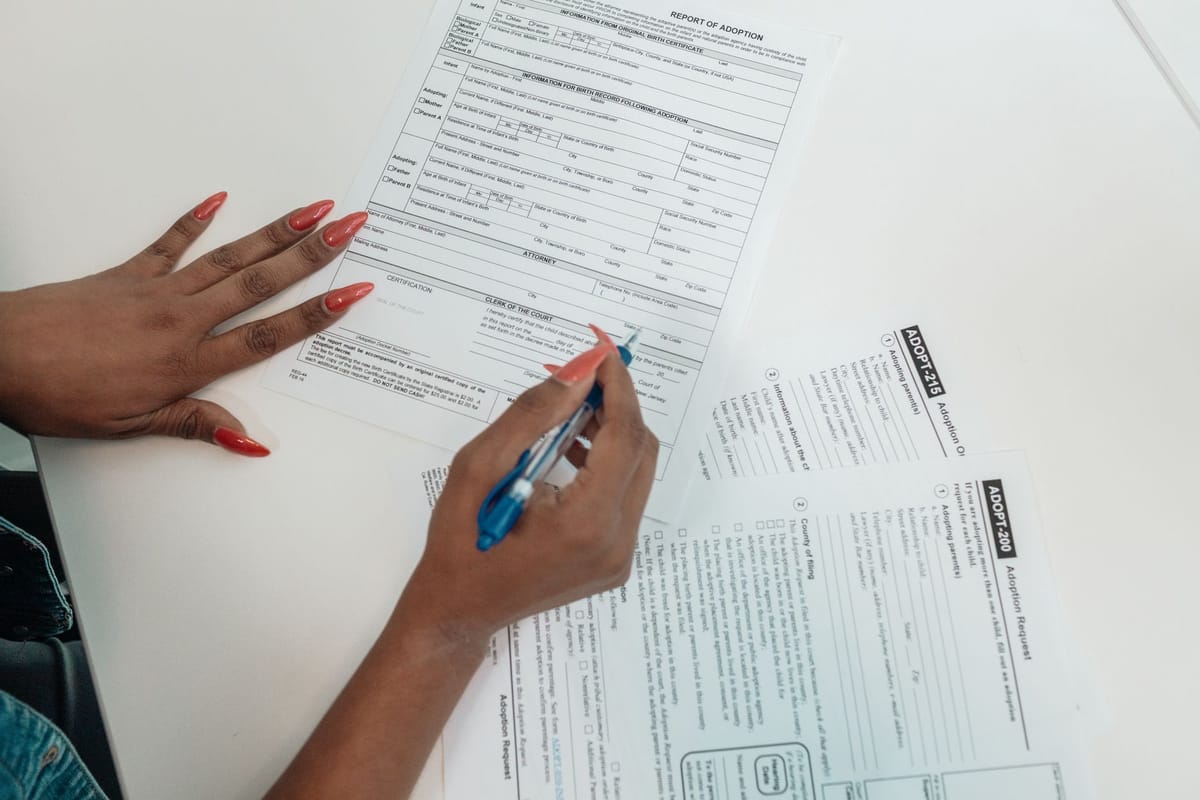
To settle on the Costa Blanca, the order of your paperwork matters: Spanish admin rewards those who move in the right sequence. In plain terms: 1) the empadronamiento (registering at your town hall, weeks 1-2), 2) the NIE then your residence registration (weeks 2-4), 3) the bank account, 4) the SIP card (health), and in parallel your housing (and school if you're arriving as a family). Here is the roadmap for your first 90 days, each step linking to our detailed guide.
First: your status decides everything
Before any local step, one question shapes the rest: are you an EU citizen or not? EU / EEA / Swiss: freedom to settle, no visa. You apply for your NIE, then your EU registration certificate (the "green paper"). Non-EU (Britons since Brexit, very numerous on the coast, plus Americans and Canadians): you need a permit obtained before arriving (digital nomad, non-lucrative, work, study), then the TIE card once here.
Worth knowing for 2026: the digital nomad visa requires income of around €2,849/month (higher per dependant), at least 80% of it from outside Spain. Switching from a non-lucrative visa to the nomad visa from within Spain is no longer possible, and the property "golden visa" was scrapped in 2025.
Weeks 1-2: the empadronamiento
Registering your address with your town hall: every town on the coast runs its own padrón. It's free, and your passport is enough, no NIE needed. It's the key that unlocks almost everything: bank account, health card, school. Doing it first often speeds up the rest, since it serves as proof of address. The town-by-town how-to is in our empadronamiento guide.
Weeks 2-4: the NIE (and TIE for non-EU)
The NIE opens almost every door: account, lease, contracts. You get it only by cita previa, selecting the province of Alicante: the province has seven counters, from Alicante to Dénia, all listed in our NIE guide. Book as soon as you know your arrival date: summer and back-to-school slots go weeks in advance, Benidorm and Torrevieja first.
Non-EU: you have 30 days after entry to start the TIE (Modelo 790-012 fee: €16.03), and since the EU's EES system (April 2026), your entry date is logged automatically, so don't drag your feet. EU: no TIE, you go straight for the green certificate.
The bank account
Without a Spanish IBAN, paying rent or setting up direct debits is a headache. Usual documents: ID, NIE, proof of address. Some banks open a "non-resident" account even before the NIE, and the neobank-plus-local-bank combination stays the expat favourite: details, fees and traps in our banking guide.
Health: the SIP card
Access to the public system runs through the Generalitat's SIP card, requested at the health centre for your address. You need to be empadronado and to have an open entitlement (work, a pensioner's S1, or the convenio especial). The full route, S1 included, is in our SIP card guide.
Housing (and school)
On the coast, look for a main-residence lease and beware the "de temporada" seasonal contract that puts you back on the street in summer: the market, 2026 rents town by town and the scams are in our renting guide, and the overall budgets in our cost of living. As a family, choose the school before the town: state, concertado, or the international and British schools of the coast, the comparison is in our schools guide.
Frequently asked questions
In what order should I do the paperwork? Empadronamiento first (passport is enough), then NIE and residence certificate, then bank and SIP. Housing is searched in parallel, and school is settled as early as possible.
How long does it all take? With method, the essentials fit inside 90 days: the bottleneck is almost always the extranjería cita previa, so book it as soon as you arrive.
Can I do it all from home before leaving? Partly: the NIE at a Spanish consulate, a non-resident account, and the S1 for UK pensioners. The empadronamiento, green certificate and SIP are done on the spot.
What if I settle in Torrevieja or the Vega Baja? Same route: your town hall for the padrón, the Torrevieja or Orihuela extranjería counter for the NIE, and your local health centre for the SIP.
Sources
- Official cita previa portal for extranjería (province of Alicante)
- Administración: registering as an EU resident
- Policía Nacional: immigration fees
- Ministry of Migration: visas and authorisations
Information verified in July 2026. Amounts, visas and procedures change fast: each step above links to its detailed guide, itself sourced to the official sites. The Daily Costa Blanca is an AI-assisted publication with human review. Spotted a mistake? Drop us a line and we'll fix it. How we work.
Le Livre blanc 2026 de l'expat
NIE, empadronamiento, fiscalité, école, logement : tout l'essentiel pour s'installer, réuni dans un guide PDF. Laisse ton e-mail, on te l'envoie.
🎉 Et voilà ! Ton Livre blanc 2026 de l'expat s'ouvre ici :
Ouvrir le Livre blanc 2026Dernière étape pour rejoindre l'aventure : confirme ton inscription dans l'e-mail qu'on vient de t'envoyer.
Réagis à cet article