
Jellyfish on Costa Blanca beaches: spotting them, reacting, staying safe
Every summer the same scene plays out from the Postiguet to the Granadella: a shout, a child coming out of the water in tears, a reddening leg, and a small crowd gathering around the lifeguard post. Jellyfish are part of the Mediterranean furniture, and their numbers are rising year on year, on the Costa Blanca as everywhere else. This guide is not meant to alarm you: the vast majority of stings are harmless. But recognising the species, knowing the right first aid and understanding when they turn up can turn a ruined day into a passing fright.
Which species you might meet
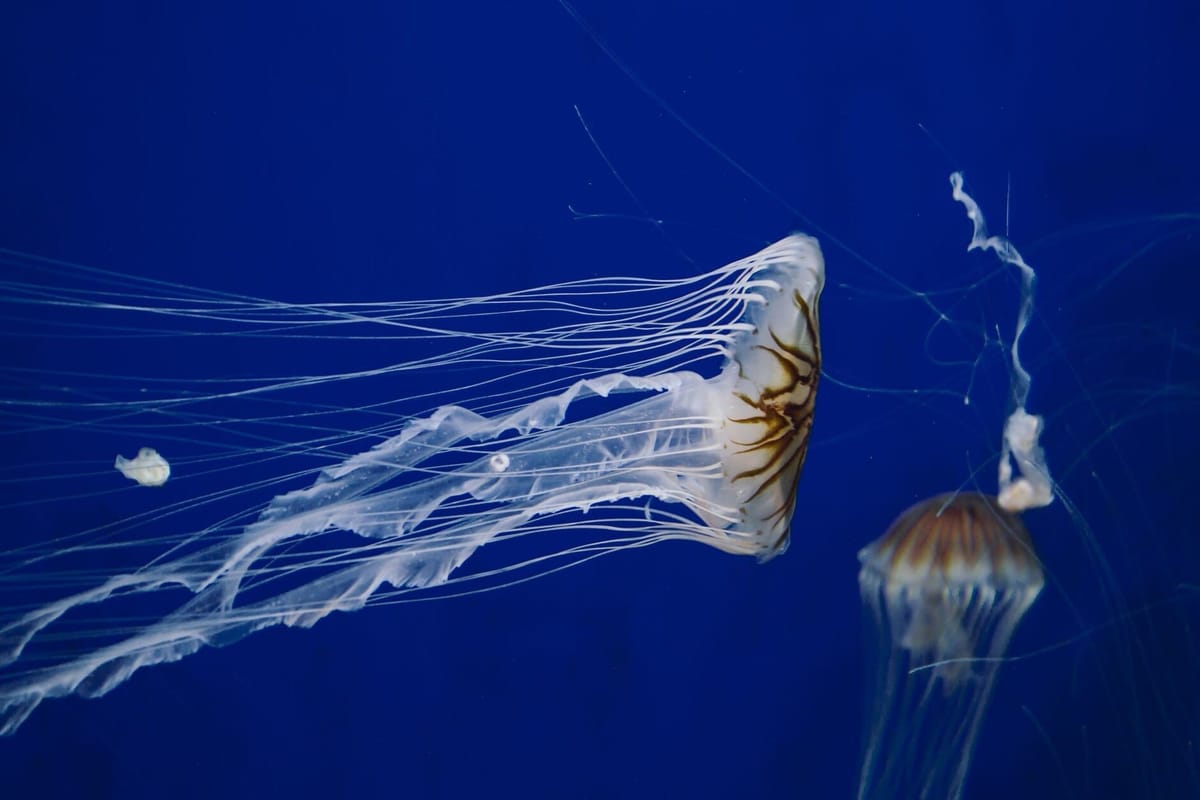
Not all jellyfish are equal. A handful of regulars come back to the Alicante coast. The most common and the most stinging is the Pelagia noctiluca, the aguamala or mauve stinger: small, purple or pink, with long filaments, and responsible for most of the painful stings. Then come larger but far less aggressive species: the Cotylorhiza tuberculata, nicknamed huevo frito (fried egg) for its yellow dome, and the Rhizostoma pulmo, imposing but barely stinging. The compás jellyfish (Chrysaora), striped like a wheel, stings moderately. The common moon jelly (Aurelia, translucent with four rings) is all but harmless.
Two cases call for real vigilance. The avispa de mar (Carybdea marsupialis), a small, almost transparent box jellyfish, is rare but noticeably more painful: its presence is monitored on some beaches in the region, particularly around Dénia, where it has made the news in the past. And above all the carabela portuguesa (Portuguese man o' war): not technically a jellyfish but a colony of organisms, recognisable by its blue-violet float. Uncommon in the Mediterranean but genuinely dangerous, and its filaments keep stinging even when it has washed up on the sand. You never touch it, even dead.
Why are there more and more jellyfish?
It is not your imagination. The blooms come from a mix of factors: warming water, currents, changes in salinity at river mouths, and the overfishing of their natural predators (turtles, certain fish). Add the role of the wind: a spell of levante (easterly wind) is enough to push whole shoals that were drifting offshore straight towards the beaches.
When to be careful
The sensitive season runs from late spring to the end of summer, with unpredictable peaks from one week to the next. There is no fixed calendar: it all depends on the winds and currents of the preceding days. A practical rule: after several days of onshore wind or intense heat, pay extra attention and check the state of the beach before you set off, especially in the enclosed coves of the Marina Alta where shoals build up.
If you get stung
First, get out of the water calmly and head for the lifeguard post if the beach has one: this is their daily routine in July. Otherwise: rinse with seawater (never fresh water, which bursts the stinging cells left on the skin), remove any visible filaments with tweezers or the edge of a stiff card (not bare fingers), then apply cold without the ice touching the skin directly, in short bursts. What not to do: rub with sand or a towel, urinate on it (a stubborn myth, useless and even counterproductive), or apply alcohol or ammonia. If the pain spreads, if there is a general reaction (feeling faint, difficulty breathing), if the sting is to the face, or if it was a man o' war, call 112 without hesitating.
Flags and prevention
Patrolled beaches along the coast fly the usual flags (green, yellow, red), often with a specific jellyfish pennant or a sign at the lifeguard post when a shoal has been reported. Useful habits: look at the sand at the water's edge when you arrive (strandings tell you what to expect), swim in patrolled areas during sensitive spells, pack water shoes and a thin wetsuit for snorkelling in the coves, and teach children never to touch a stranded jellyfish, however "pretty".
Keeping a cool head
Hundreds of thousands of swims pass off without incident every summer along this coast. A jellyfish sting is painful, rarely serious, and handled well it settles within an hour. Knowing the species and the right moves is all that separates a mishap from panic. To choose your beach or cove, dip into our day trips guide, and plan your day around what is on that month.
Information verified in July 2026. If in any medical doubt, go to the beach lifeguard post or call 112: this article is not a substitute for medical advice. The Daily Costa Blanca is an AI-assisted publication with human review. Spotted a mistake? Write to hello@thedailycostablanca.com or visit thedailycostablanca.com.
Le Livre blanc 2026 de l'expat
NIE, empadronamiento, fiscalité, école, logement : tout l'essentiel pour s'installer, réuni dans un guide PDF. Laisse ton e-mail, on te l'envoie.
🎉 Et voilà ! Ton Livre blanc 2026 de l'expat s'ouvre ici :
Ouvrir le Livre blanc 2026Dernière étape pour rejoindre l'aventure : confirme ton inscription dans l'e-mail qu'on vient de t'envoyer.
Réagis à cet article