
Can you drink the water in Alicante? Costa Blanca tap water, limescale, desalination and skin
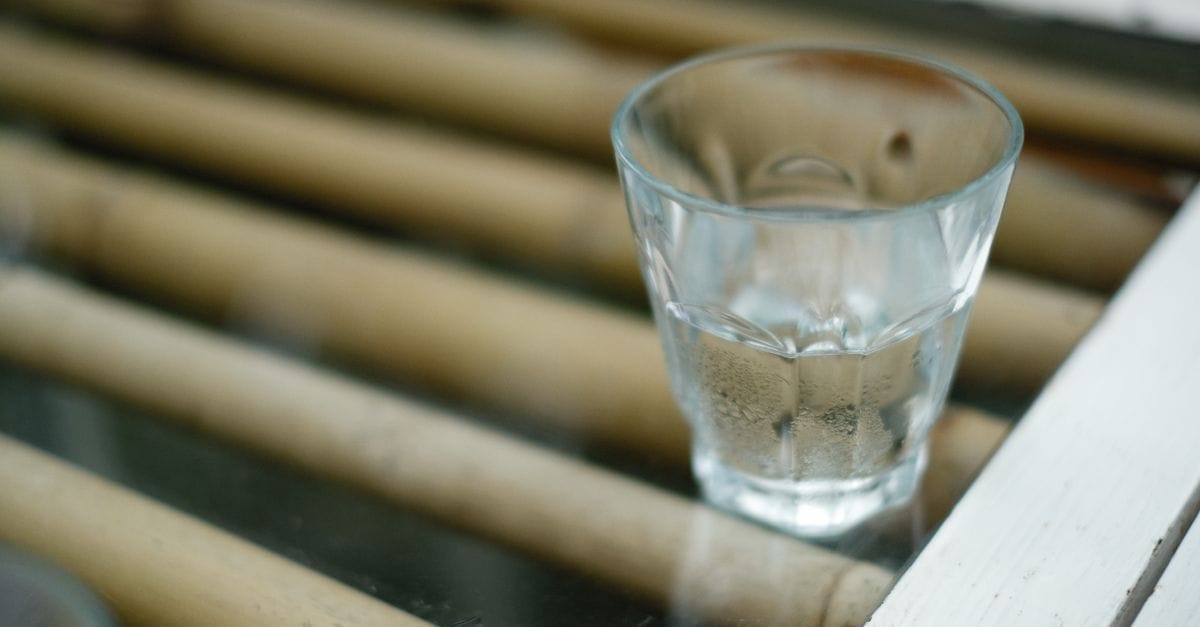
Yes, you can drink the water in Alicante and across the Costa Blanca, even if you have probably noticed two things since arriving: the tap water has a pronounced taste, and white marks build up fast on the taps, the kettle and the glasses. Hence the question almost every newcomer asks: can you drink it, and is it bad for your health or your skin? Here are the facts.
First: is it safe to drink? Yes.
Tap water on the Costa Blanca is drinkable and monitored. In Alicante it is supplied by Aguas de Alicante, which runs a strict analytical control plan: chlorine, nitrates and heavy metals all stay within EU and WHO regulatory limits. In other words, drinking it poses no health risk.
Where the water comes from, and why the limescale
This is where the Costa Blanca tells a different story from the rest of Spain. The south-east is a dry region: the water does not flow from a great river nearby. Most of it arrives through the Canal de Alicante of the Mancomunidad de los Canales del Taibilla, which brings water from the Taibilla and Segura basins. And, above all, a growing share comes from the sea: the desalination plants of Alicante (Alicante I and Alicante II) produce tens of thousands of cubic metres of drinking water a day, fed into the network. At the other end of the coast, the Torrevieja desalination plant, one of the largest in Europe, also supplies the south of the province. Desalinated water is remineralised before distribution. Living on the Costa Blanca often means drinking, in part, desalinated seawater: a very local signature.
The taste and the limescale come from hardness. The limestone terrain of the Levante loads the water with minerals, mostly calcium and magnesium: the coastal water is among the hardest in Spain. Add the chlorine used for disinfection, which marks the taste and smell. The result even varies from one town to the next, depending on the mix of Taibilla water and desalinated water. So it is not a quality defect but a local mineral signature. Plenty of residents filter the water or switch to bottled, mostly for taste.
Health: what hardness changes (and what it does not)
Very mineral water is in no way dangerous to drink: calcium and magnesium even count as a modest nutritional contribution. The scale that whitens your kettle is a matter of housekeeping, not medicine. As for chlorine and nitrates, the analyses keep them below the regulatory thresholds. If it is the taste that bothers you, two simple fixes: a filter jug (or a carbon filter on the supply) and a spell in the fridge, since water rested and chilled loses much of its chlorine smell.
Skin: the real thing to watch
On the skin, the science calls for more caution than for drinking. Large epidemiological studies, carried out on hundreds of thousands of people, observe a statistical link between hard water and atopic eczema, particularly in very young children. The important word is "link", not "cause": hard water does not trigger eczema in just anyone. In predisposed people, however, it can encourage its onset and stoke existing flare-ups.
The explanations researchers put forward: the minerals react with soaps and leave a film on the skin that is hard to rinse off, they push the skin's pH upwards and weaken its protective barrier. People carrying certain variants of the filaggrin gene, a key player in that barrier, are especially sensitive. For adult skin with no particular predisposition, all this comes down to comfort: tightness after the shower, rougher hair. For atopic skin, a baby's above all, it is worth adapting the routine.
What actually works
- A short, lukewarm shower: prolonged hot water strips the skin barrier.
- A syndet rather than soap (a gentle cleanser at physiological pH), in small amounts, very well rinsed: less product, fewer residues.
- After the shower, pat the skin without rubbing and apply an emollient straight away, while it is still slightly damp.
- Ease off the doses of laundry detergent too, since their residues increase with hard water.
A shower filter and a water softener can add day-to-day comfort. In fairness: no clinical trial has shown that a softener reduces the severity of eczema once it has set in, even if families report an improvement. Flare-ups that persist, or any doubt about a baby: the answer is still the doctor or dermatologist.
Sources
- Aguas de Alicante: water quality control
- Mancomunidad de los Canales del Taibilla: Alicante desalination
- Water hardness and atopic eczema (systematic review and meta-analysis)
- Domestic hard water and eczema in adults (UK Biobank)
Frequently asked questions
Is tap water safe on the Costa Blanca?
Yes: drinkable and closely monitored (Aguas de Alicante publishes its checks), with chlorine, nitrates and heavy metals below the thresholds. The strong taste comes from hardness and chlorine, not from contamination.
Where does the water we drink here come from?
Mostly from the Taibilla canal, topped up by a growing share of desalinated seawater (the Alicante plants and the Torrevieja desalination plant, among the largest in Europe), remineralised before it reaches the tap.
Softener, filter jug or nothing?
A filter jug mainly deals with taste. A softener and a shower filter affect comfort (skin, limescale), with no clinical proof of an effect on established eczema. For atopic skin, good shower habits matter more.
Information verified in July 2026. This article is informative and not a substitute for medical advice: for atopic skin or eczema, ask a health professional. The Daily Costa Blanca is an AI-assisted publication with human review. Spotted a mistake? Write to hello@thedailycostablanca.com or visit thedailycostablanca.com.
Le Livre blanc 2026 de l'expat
NIE, empadronamiento, fiscalité, école, logement : tout l'essentiel pour s'installer, réuni dans un guide PDF. Laisse ton e-mail, on te l'envoie.
🎉 Et voilà ! Ton Livre blanc 2026 de l'expat s'ouvre ici :
Ouvrir le Livre blanc 2026Dernière étape pour rejoindre l'aventure : confirme ton inscription dans l'e-mail qu'on vient de t'envoyer.
Réagis à cet article