
The cucaracha: an (almost) fond ode to the Costa Blanca cockroach
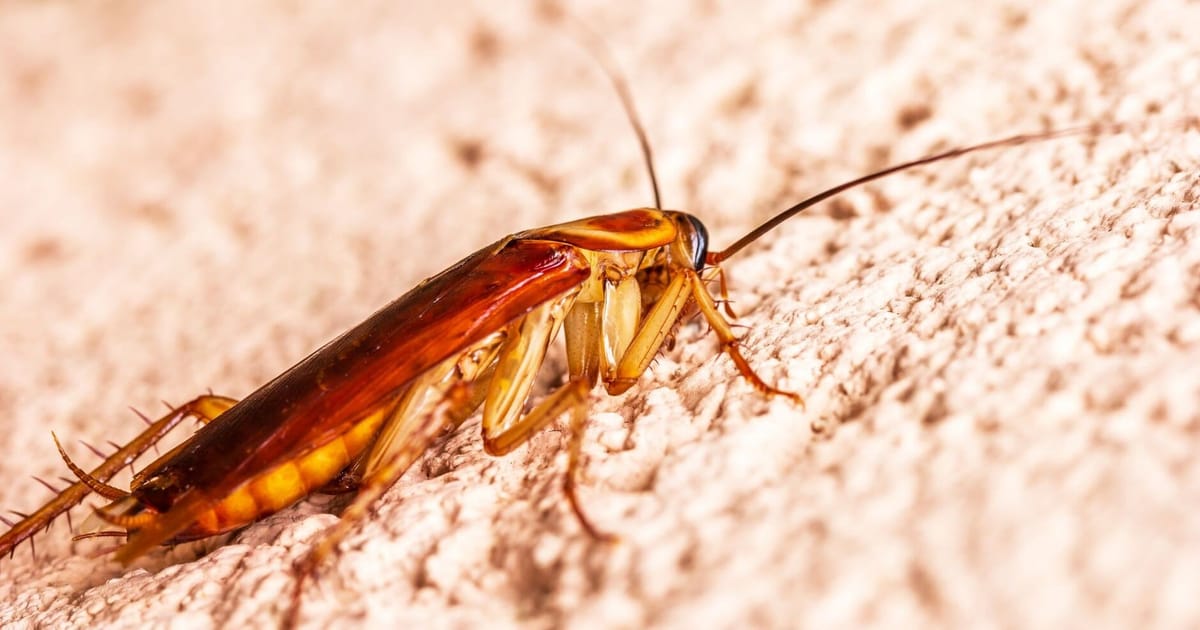
There are rites of passage when you settle on the Costa Blanca. The first almuerzo that stands in for lunch. The first granizado on a heatwave evening. The first "mañana" that turns out to mean "maybe never". And then there is the one nobody warns you about, the one that arrives one July night around midnight, just as you wander into the kitchen to refill your glass of water: your first encounter with a cucaracha. Not a small one. A big one. One that looks like it has been lifting weights. Welcome. You are officially home.
This article is a small, almost affectionate ode to the flatmate nobody invited. We will have a bit of a laugh, but above all we will tell you the truth, because understanding the creature is already half the battle in taking the drama out of it.
Who is this lady?
The star of the summer, the big reddish-brown one that makes you scream like you are in a horror film, is almost always the same: Periplaneta americana, the "cucaracha roja" or American cockroach. Three to four centimetres, endless antennae, the bearing of an armoured vehicle and, the detail that changes your life, it flies. Well, it glides. Clumsily. Usually straight towards the lamp, and therefore towards you. That is the precise moment you discover you can leave a kitchen by leaping over a table.
Its smaller, more discreet cousin is Blattella germanica, the "blonde" or German cockroach: one to two centimetres, beige, and this one really does move in, into the warm nooks of the kitchen. Less spectacular, but more stubborn.
Why does it turn up, especially in summer?
First bit of good news for your ego: the big red cucaracha is generally not a sign that your flat is dirty. That one comes from outside, more precisely from the drains and pipes, where it is warm, damp and dark, exactly its idea of paradise. When temperatures climb and the air fills with Mediterranean humidity, it comes up through the pipes, the drain covers and the palm trees to explore the world. And palm trees, on the Costa Blanca, are not in short supply: think of the Palmeral of Elche, the largest palm grove in Europe. The world, sometimes, turns out to be your bathroom.
It is a seasonal, urban phenomenon, typical of the hot cities around the Mediterranean. The warmer the night, the more active they are. The cucaracha is not a personal curse: it is simply July.
Is it dangerous? (the reassuring part)
Second bit of good news: no, it is not going to attack you. The cucaracha does not bite, is not aggressive, and its main weapon is the speed at which it vanishes under the fridge. That said, let us stay factual: because it wanders through the drains before coming to yours, it can carry germs on its legs. This is not a reason to panic, but a matter of basic hygiene: clean any surfaces it may have visited, and do not let it settle in for good, especially the indoor blonde variety.
How to limit the visits
We will not lie to you: you cannot eradicate the Mediterranean. But you can seriously cut down the appearances, and it comes down mostly to one word, plumbing.
The most effective and least known habit: plug your drains at night. A stopper in the sink, the shower drain closed, and you cut off their favourite motorway. Then the classics: do not leave food or dirty dishes lying around, take the bin out in the evening, seal the gaps around pipes and under doors, and check the air vents. For the blonde cockroach that has moved indoors, the bait gels from the pharmacy or hardware shop work well; in the event of a real infestation, call a pest-control firm. As for the town, note that the municipal services regularly treat the sewer network, especially in summer: that is also why on some nights you suddenly meet several of them fleeing the treatment.
Learning to (almost) love it
Deep down, the cucaracha is part of the summer folklore, just like the mascletà of the Fogueres that rattles the windows or the terraces packed at one in the morning. It is the tiny price of a climate where you live outdoors eight months a year. The old-timers will tell you so with a very local shrug: es lo que hay, that is just how it is.
So the first time, yes, you will scream. The tenth time, you will grab a glass and a piece of cardboard with the calm of a veteran. And one day, watching a newcomer bound out of their kitchen in pyjamas, you will smile, because you will know: they have just sat their entrance exam too. Welcome to the Costa Blanca.
Information verified in July 2026. The Daily Costa Blanca is an AI-assisted publication with human review. Spotted a mistake? Write to hello@thedailycostablanca.com or visit thedailycostablanca.com.
Le Livre blanc 2026 de l'expat
NIE, empadronamiento, fiscalité, école, logement : tout l'essentiel pour s'installer, réuni dans un guide PDF. Laisse ton e-mail, on te l'envoie.
🎉 Et voilà ! Ton Livre blanc 2026 de l'expat s'ouvre ici :
Ouvrir le Livre blanc 2026Dernière étape pour rejoindre l'aventure : confirme ton inscription dans l'e-mail qu'on vient de t'envoyer.
Réagis à cet article