
How do you buy, register and moor a boat on the Costa Blanca?
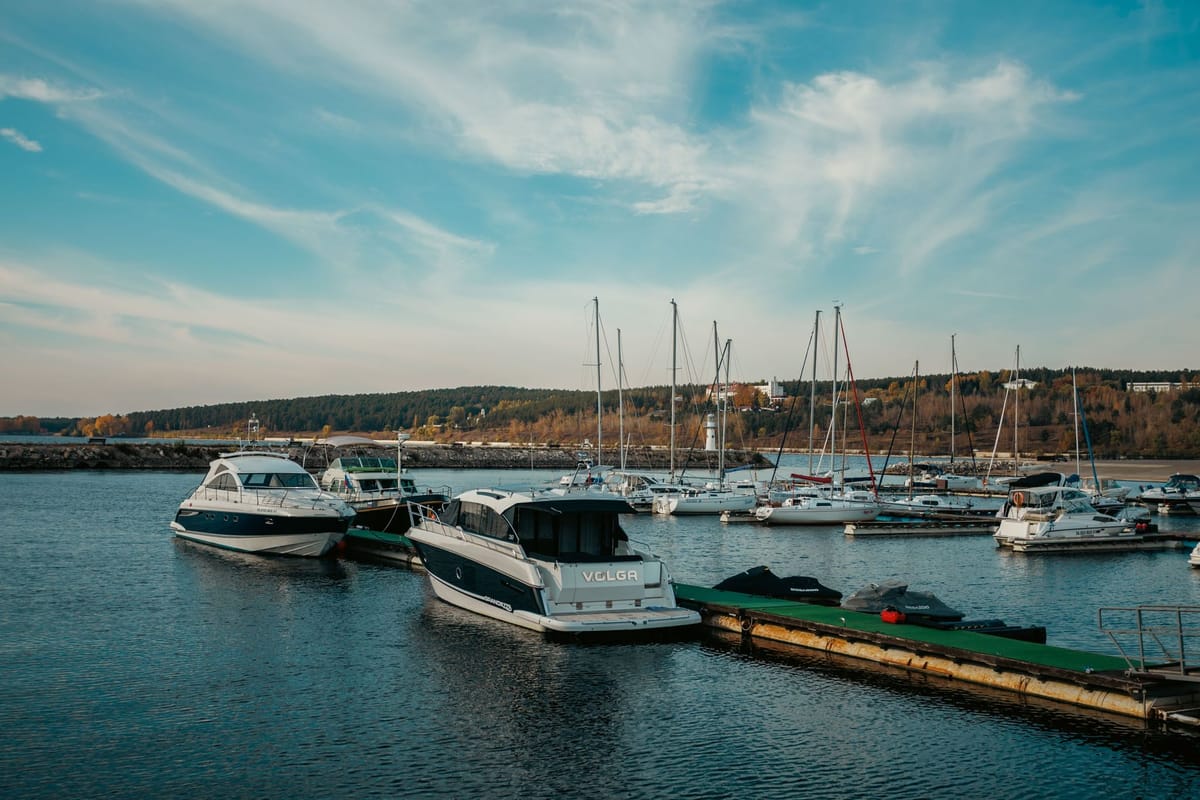
Three hundred days of sunshine, warm water from April to November and dozens of harbours along the coast: the Costa Blanca is built for boating. Whether you dream of a small day-boat for the coves or a sailboat to hop across to the Balearics, here is the complete guide to buying, registering, mooring, maintaining and insuring a boat here, without a nasty surprise.
Buying a boat in Spain: new or used
Spain's second-hand market is large and often better value than back home. Where to look: specialist portals (cosasdebarcos.com leading the way, the go-to site for boat classifieds in Spain), general platforms such as Wallapop or Milanuncios for smaller craft, and above all the brokers based in the big marinas (Denia, Alicante, Torrevieja), who handle the sale, the sea trial and the paperwork. For new boats, dealerships for the big yards (Beneteau, Jeanneau, Zodiac and others) are present in the main ports.
Tips for buying second-hand: get a survey (peritaje nautico) done before buying, especially above a certain price, check the engine and hull condition (osmosis), and make sure the seller is up to date on taxes and mooring fees. A boat already registered under Spanish flag simplifies the paperwork.
The paperwork: licence, registration and taxes
Two separate matters: your licence (to skipper the boat) and the boat's registration (to sail under a flag).
On boating licences (titulos nauticos), the Spanish scale:
- Licencia de navegacion (the old "titulin"): boats up to 6m, daytime only, up to 2 nautical miles from shore. A few hours of training, around 135 euros.
- PNB (Patron para Navegacion Basica): up to 8m, up to 5 nautical miles.
- PER (Patron de Embarcaciones de Recreo): the most useful, up to 15m and 12 nautical miles, and it opens the way to the Balearics with the right extension.
On registration and flag (bandera espanola): a private leisure boat is registered under Lista 7a (private use); Lista 6a is reserved for commercial charter. Flagging is done through the Capitania Maritima. Taxes to budget for:
- New: VAT (IVA) of 21 percent on the invoice.
- Second-hand: ITP (transfer tax), which varies by region.
- A 12 percent registration tax for leisure boats over 8m (exempt if intended for charter under Lista 6a).
- Each year, a small local tax (the nautical IVTM) depending on the town.
Most buyers go through a gestoria nautica (a specialist paperwork agency) to handle registration, flag changes and taxes: a few hundred euros well spent to avoid administrative back-and-forth.
The ports and marinas of the Costa Blanca
The coast is a string of harbours, from the most fashionable to the quietest. The main ones:
| Port | Area | Worth knowing |
|---|---|---|
| Marina de Denia and Real Club Nautico de Denia | North (Marina Alta) | Major boating hub, nearly 600 berths at the RCN, ferry links to the Balearics (Denia-Ibiza) |
| Real Club de Regatas and Marina Alicante | Alicante | Historic regatta harbour, home port of The Ocean Race, right in the city centre |
| Marina Greenwich | Altea (Campomanes) | Sits on the Greenwich meridian, more than 500 berths, restaurant strip |
| Club Nautico de Altea and Benidorm | Central coast | Club atmosphere, moorings facing the Penon d'Ifach rock and Benidorm island |
| Marina Salinas and Real Club Nautico | Torrevieja | 724 berths from 8 to 35m, sailing school, shops, dry dock |
| Varadero and the port of Santa Pola | South of Alicante | Large fishing and leisure harbour, a reference technical area |
Mooring prices vary enormously by port, size and season. In transit, a port such as Denia charges around 35 euros a night for an 8m boat in low season, up to 55 euros in high season, and 80 euros or more for a 12 to 15m boat in summer. On an annual basis, a berth runs into the thousands of euros (roughly 2,000 to 3,000 euros a year for an 8m boat in an affordable port, much more for larger craft and sought-after marinas). Waiting lists are real in the most in-demand ports: enquire early, or look at buying a resaleable mooring right (concession).
Parking or storing your boat: afloat or ashore
Two philosophies:
- A year-round mooring in the water: convenient, you can leave whenever you like, but it is the most expensive option, and the hull needs regular antifouling and hull cleaning.
- Dry storage (marina seca / varadero): the boat is stored on land and launched on demand (often by crane or trailer). Considerably cheaper, ideal for craft up to 8 to 10m and for anyone who does not sail every week. The hull stays cleaner and maintenance drops.
For winter storage, many owners haul the boat out from November to March: savings on mooring fees, protection from Levante storms, and an ideal window for major work. The big dry-storage yards (Santa Pola, Denia, Torrevieja) offer boat-sitting, hauling and winter storage packages.
Maintenance and boatyards
A boat needs steady, regular upkeep. The classic jobs: antifouling (the anti-fouling paint, roughly once a year), hull cleaning when hauled out, the engine (oil changes, anodes, cooling), sails and rigging for sailboats, and electronics (GPS, depth sounder, VHF, autopilot). Where to get it done? The Costa Blanca has some serious yards:
- Varadero Club Santa Pola: a reference technical area, craft up to 40m, mechanical workshops and an afloat repair quay.
- Real Club Nautico de Denia and Nautica Fornes (Denia): maintenance, antifouling, dry marina.
- Marina Salinas and Marina Internacional (Torrevieja): dry dock and technical area.
The right habit: as with a car garage, check Google reviews, ask for a written quote (presupuesto), and favour a yard used to your engine brand. Under the local climate, keep an eye on antifouling (warm water encourages fouling) and anodes (corrosion accelerated by salt).
Insuring your boat
Third-party liability is mandatory to sail (it covers damage caused to others). Beyond that, comprehensive cover is strongly recommended to protect the hull, engine and electronics. On companies, you can choose between international specialists such as Pantaenius (a boating reference, well established in the Mediterranean) and the marine offers of major Spanish insurers (MAPFRE, Generali) or Allianz. The premium depends on the value, size and use of the boat, its cruising area and where it is moored. As with car insurance, shopping around through a broker is the best habit.
Boating life on the Costa Blanca
Owning a boat is not the only way to get on the water:
- Regattas: Alicante, home port of The Ocean Race, breathes competitive sailing; sailing clubs run regattas open all year round.
- Sailing schools: almost every club nautico (Torrevieja, Alicante, Denia, Altea and more) runs a school, from children's Optimist dinghies to adult courses.
- Rental and charter: no licence needed for small craft (often up to 15 hp), a licence required beyond that. Platforms such as Click&Boat or SamBoat and local operators rent by the day (from around 190 euros for a day-boat).
- Sport fishing: big-game trips leaving from the ports; remember the Generalitat's recreational sea-fishing licence.
To go further on the sea side, see also our guide to beach and sea sports on the Costa Blanca.
Practical tips: season, zones, weather and safety
- The season. Boating runs from April to November; summer is superb but busy (book your stopovers). Winter, mild here, is perfect for maintenance.
- The zones. Watch out for marine reserves (Tabarca, the first in Spain) and marked bathing areas: regulated anchoring and respect for seagrass meadows are mandatory.
- Marine weather. Watch the Levante (an easterly wind bringing swell) and the Poniente: check AEMET's marine forecast and apps such as Windy before setting off.
- Safety. VHF channel 16 for emergencies, life jackets and safety equipment mandatory depending on your sailing zone, and a sailing plan left ashore. In a sea emergency, call 112 or Salvamento Maritimo.
Sources
- Ministry of Transport: recreational boating licences
- Official registration and flagging of leisure boats
- Cosas de Barcos: classifieds and marinas
- Marina de Denia
- Marina Salinas (Torrevieja)
- Pantaenius: marine insurance
Information verified in August 2026. Prices, taxes and mooring availability change fast: always check with the port, the yard or the Capitania Maritima before committing. The Daily Costa Blanca is an AI-assisted publication with human review.
Frequently asked questions
What licence do you need to skipper a boat on the Costa Blanca?
The licencia de navegacion (formerly titulin) is enough up to 6m and 2 nautical miles; the PER (up to 15m and 12 nautical miles) is the most versatile and lets you reach the Balearics. Without a licence, you can rent certain small, power-limited boats.
How much does a berth cost?
In transit, budget 35 to 80 euros a night depending on size and season. Annually, from a few thousand euros for a small boat to much more in sought-after marinas. Dry storage (marina seca) is considerably cheaper.
Is it better to keep your boat in the water or on land?
On land (varadero) if you sail only occasionally: it is cheaper, the hull stays clean and maintenance costs drop. In the water if you sail often and want to leave at short notice, accepting the higher mooring cost and more frequent hull cleaning that come with it.
Le Livre blanc 2026 de l'expat
NIE, empadronamiento, fiscalité, école, logement : tout l'essentiel pour s'installer, réuni dans un guide PDF. Laisse ton e-mail, on te l'envoie.
🎉 Et voilà ! Ton Livre blanc 2026 de l'expat s'ouvre ici :
Ouvrir le Livre blanc 2026Dernière étape pour rejoindre l'aventure : confirme ton inscription dans l'e-mail qu'on vient de t'envoyer.
Réagis à cet article